

You’re hiring in bursts, so a recruiting subscription needs to make sense between openings as well as during them. A free trial won’t necessarily let you work with new applicants after it ends, while a paid tool may offer structure worth keeping. These seven options for the best recruiting software for startups give you a clearer way to weigh ongoing free access, subscription costs, and interview tools against how often your startup hires.
TLDR:
-
An ATS keeps your applications, interview stages, and team feedback in one shared system.
-
Pricing models include free plans, paid subscriptions, and custom quotes.
-
Free trials can become read-only accounts, unlike ongoing free ATS plans.
-
Rankings use public information, not hands-on testing, and listed prices were not independently verified.
-
Some $0 ATS plans include unlimited jobs, users, and candidates; recruiting help costs extra.
What Is Recruiting Software for Startups?
Applications scattered across inboxes and spreadsheets make candidate progress hard to track. Recruiting software gives startup teams a shared system for applications, feedback, and follow-ups.
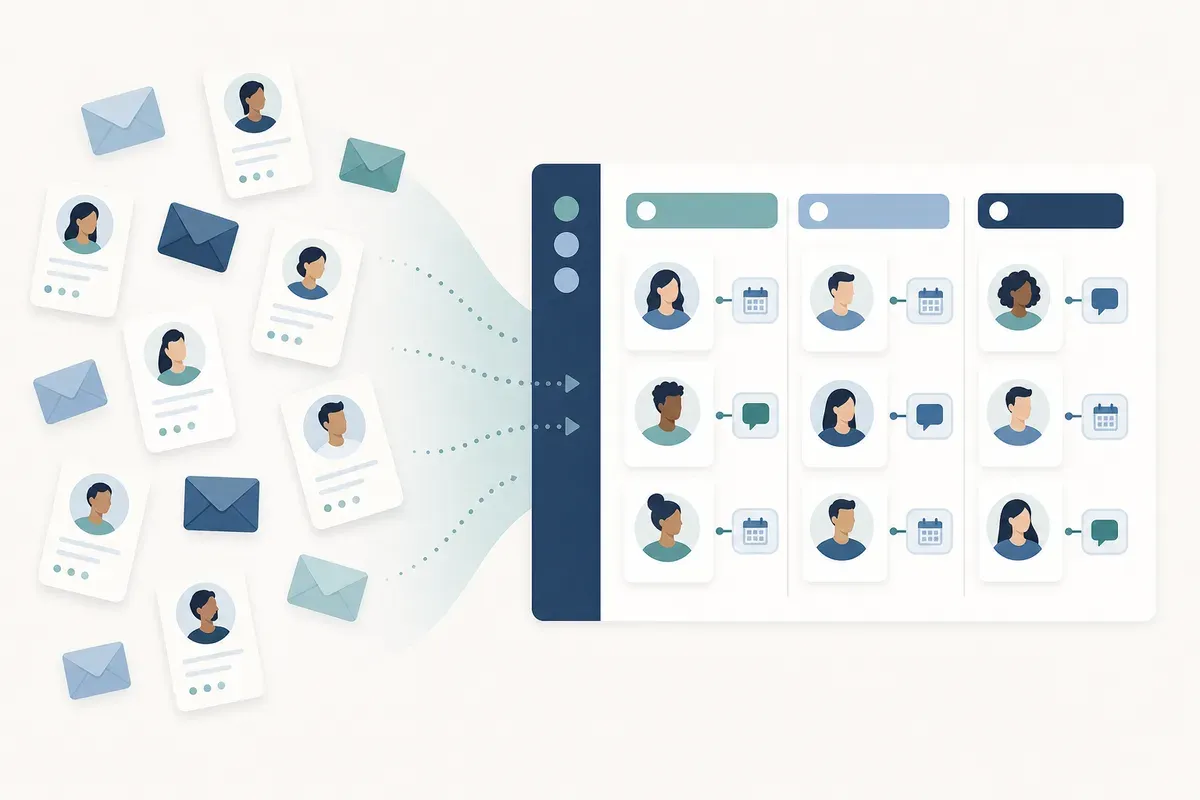
The categories serve different needs:
-
An applicant tracking system (ATS) manages applications and interview stages through the hiring decision.
-
Candidate relationship management (CRM) tools support outreach and organize potential hires for future openings.
-
Fractional recruiting services provide people to handle sourcing or other hiring tasks.
Software organizes hiring; services add capacity.
Software and recruiting services are separate purchases, even from the same provider.
An ATS tracks applications, interviews, and feedback, but it does not source candidates or close offers. Founders running a few searches a year can often manage that work themselves with software alone. A senior or specialized role, stalled sourcing, or a team with no recruiting bandwidth are the situations where a fractional recruiter can plug in on top of the same system and take on sourcing, screening, and closing while the hiring team keeps its view of the pipeline.
How We Ranked Recruiting Software for Startups
Prices and features come from public sources and were not independently verified, so readers should confirm current details with each vendor.
Our rankings reflect Dover’s editorial perspective and public product information, without hands-on testing. We assessed the best recruiting software for startups using:
-
Affordability, including what free plans actually include.
-
Candidate management and collaboration across hiring teams.
-
Reporting depth weighed against setup requirements.
-
Access to recruiting support when teams need extra capacity.
Rankings favor startup fit over feature count.
Feature Comparison Table of Recruiting Software for Startups
| Tool | Starting Price | Free Tier | Best For |
|---|---|---|---|
| Dover | Free; Premium $199/month, no contract | Ongoing | Founder-led hiring |
| SmartRecruiters | Unverified | Unverified | Distributed teams |
| Breezy HR | $157/month billed annually; $189 monthly | Unverified | Recurring hiring |
| Greenhouse | Custom quote | Unverified | Formalizing hiring |
| Lever | Custom quote | Unverified | Buyers comfortable negotiating |
| Ashby | Foundations starts at $400/month; billing term unverified | Unverified | Paid ATS budgets |
| Workable | Guide lists $189/month; billing term unverified | Trial; read-only afterward | Regular hiring |
Best Overall Recruiting Software for Startups: Dover
We publish this roundup, so our ranking comes with a bias. For startups managing hiring internally while keeping extra recruiting capacity available, we rank Dover best overall among the best ATS systems.
Our independently available offerings let you choose what you need. The Free ATS costs $0, includes a built-in CRM, and has unlimited jobs, users, and candidates. Premium costs $199/month and adds AI-assisted resume review and offer e-signing, a feature set common among AI-powered applicant tracking systems, and an Enterprise plan sits above Premium so the ATS can grow with your company. Fractional recruiting support, much like fractional HR arrangements, is purchased separately through our marketplace, so teams can add recruiting capacity as hiring needs change.
SmartRecruiters
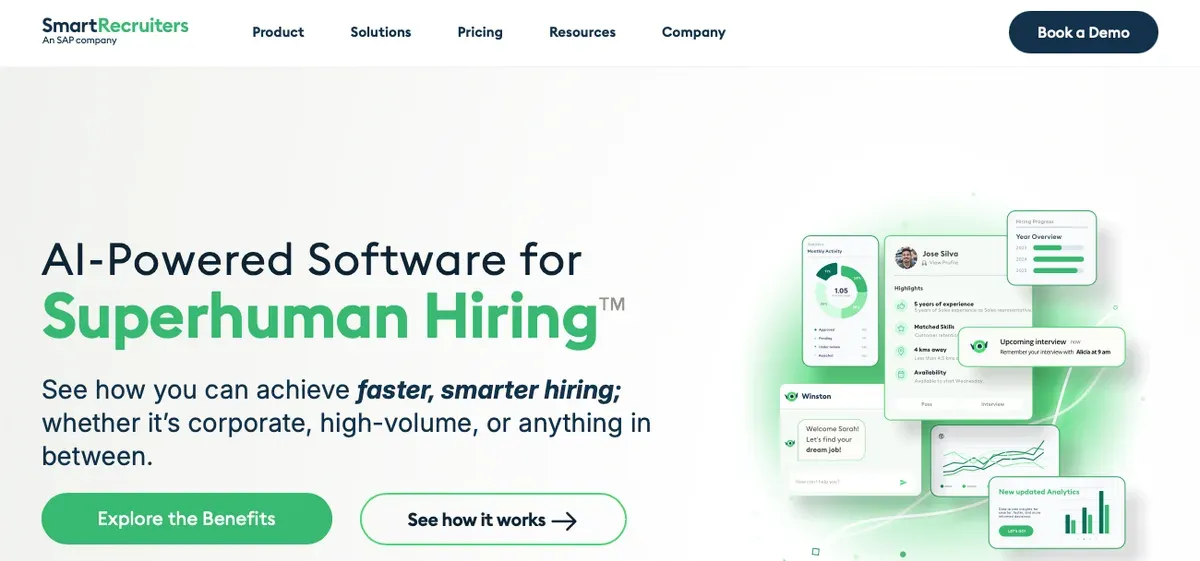
SmartRecruiters is built for hiring coordinated across multiple teams or regions.
What They Offer
-
Applicant tracking and candidate relationship management, often paired with an AI note taker for recruiters, to support recruiting across teams.
-
Recruitment marketing and hiring analytics for broader hiring programs.
Workology describes its mid-sized and large-organization focus, which may put its scope beyond a founder’s basic candidate-tracking needs.
For startups coordinating broader hiring programs, that scope can be useful. For a few searches, a free ATS may be a more suitable starting point.
Breezy HR
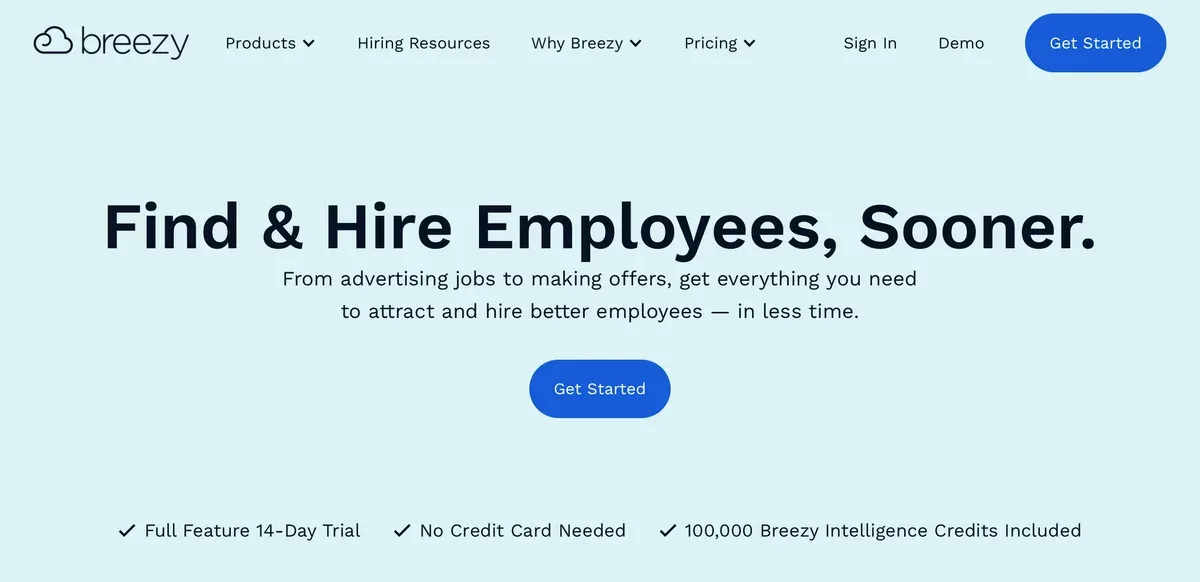
Small teams hiring regularly may need bulk applicant actions and a branded careers page.
What They Offer
Breezy HR’s published Startup plan features include:
-
Unlimited users and positions for teams managing multiple openings.
-
Branded career sites and bulk candidate actions for processing applicants in batches.
These capabilities require a paid subscription, with annual or monthly billing available. Startup is worth considering for recurring hiring; teams focused on keeping initial software spending low may prefer options built for an ATS for small business with free unlimited candidate tracking.
Greenhouse
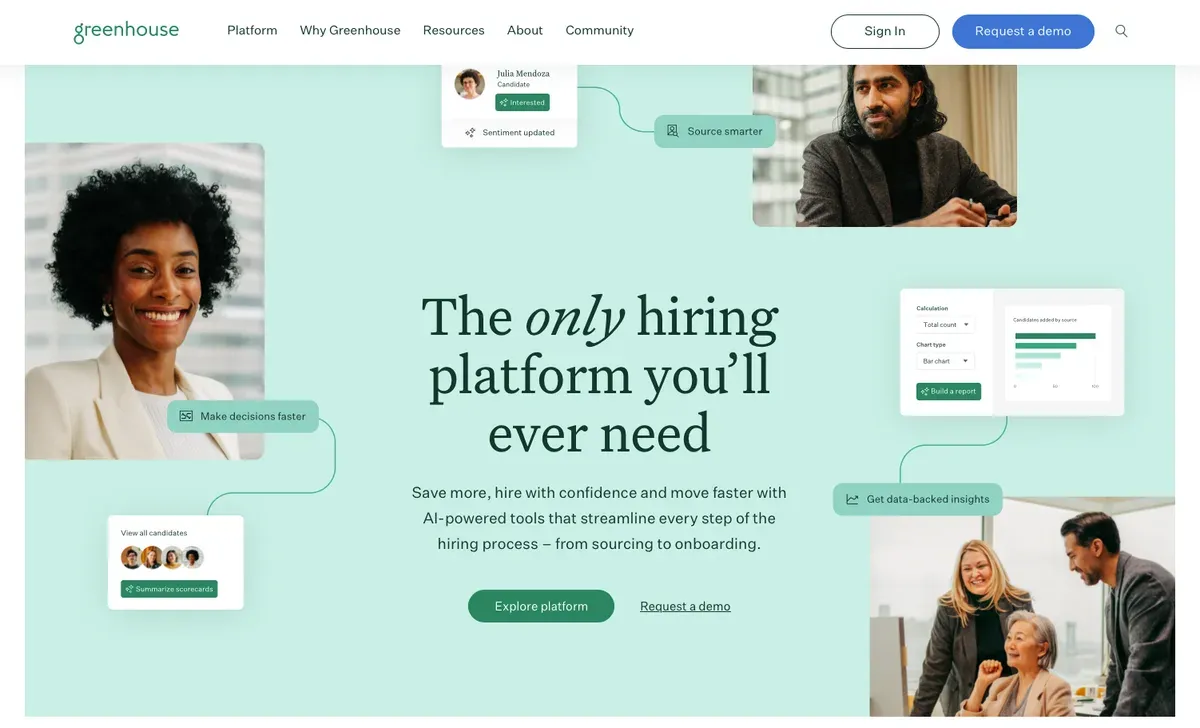
Teams building a repeatable recruiting process can use Greenhouse for applicant tracking and interview coordination.
What They Offer
-
Structured interviews and job-board posting support a consistent hiring workflow.
-
Standard reporting and integrations support recruiting oversight.
RolesAt’s Greenhouse pricing breakdown describes quote-based plans, so founders need a sales quote to budget for the subscription.
Greenhouse may suit teams formalizing hiring. For budget-conscious founders choosing their first ATS, tools with public, self-serve entry pricing may be easier to assess.
Lever
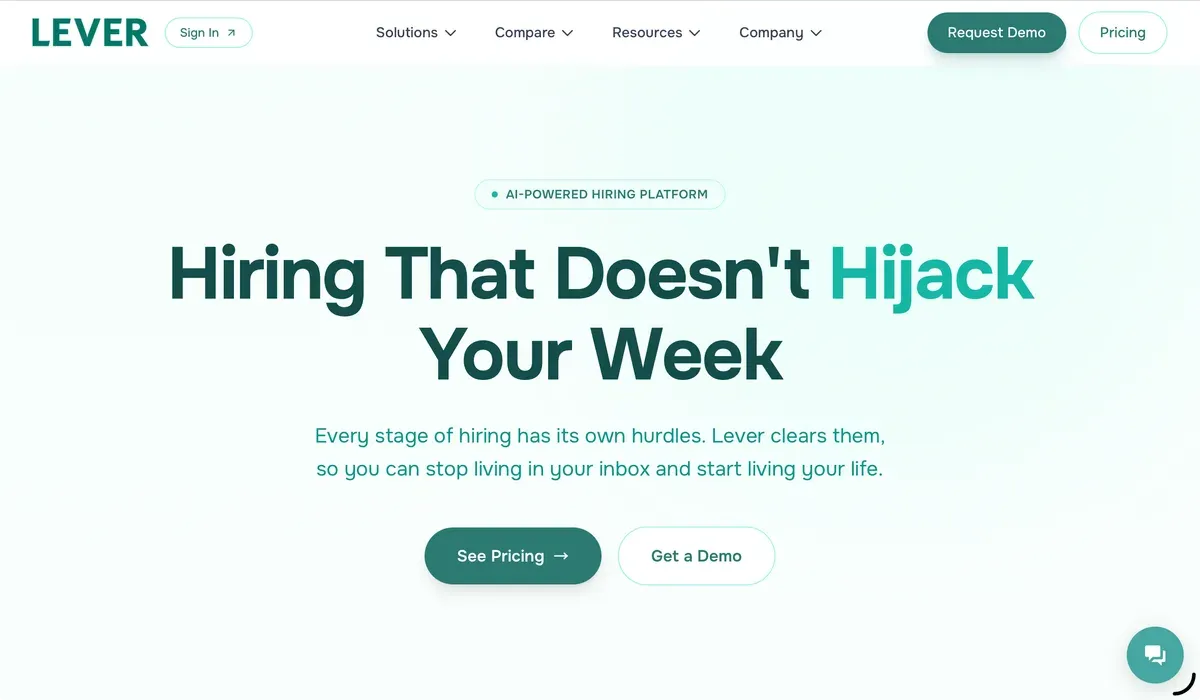
Lever’s quote-only pricing makes a sales conversation part of the buying process.
What They Offer
According to HeroHunt’s Lever pricing breakdown:
-
Subscription pricing requires a custom quote, so published rates cannot settle your budget.
-
Billing is based on total company headcount, instead of the recruiting team alone.
Lever may suit teams comfortable negotiating a software purchase, as detailed in this Lever pricing review. For startups comparing it with a free ATS starting plan, the tradeoff is assessing the cost commitment before getting started.
Ashby
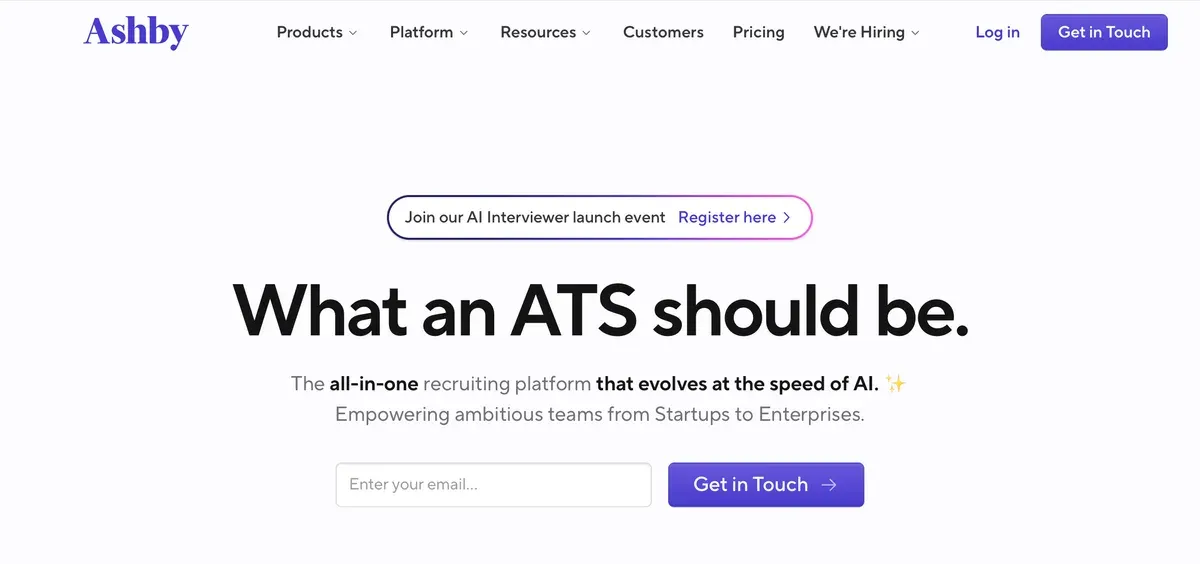
According to Pin’s Ashby pricing breakdown, Ashby’s paid entry plan makes subscription cost part of the initial hiring budget (see our Ashby ATS review).
What They Offer
-
Foundations is the entry plan for companies with up to 100 employees.
-
Plus and Enterprise require custom quotes, so costs depend on the quoted package.
Startups can weigh Foundations against their hiring needs, or review a direct Ashby vs Dover comparison. Free tracking tools with separately available fractional recruiting support offer a different budget structure, separating software costs from hands-on hiring help.
Workable
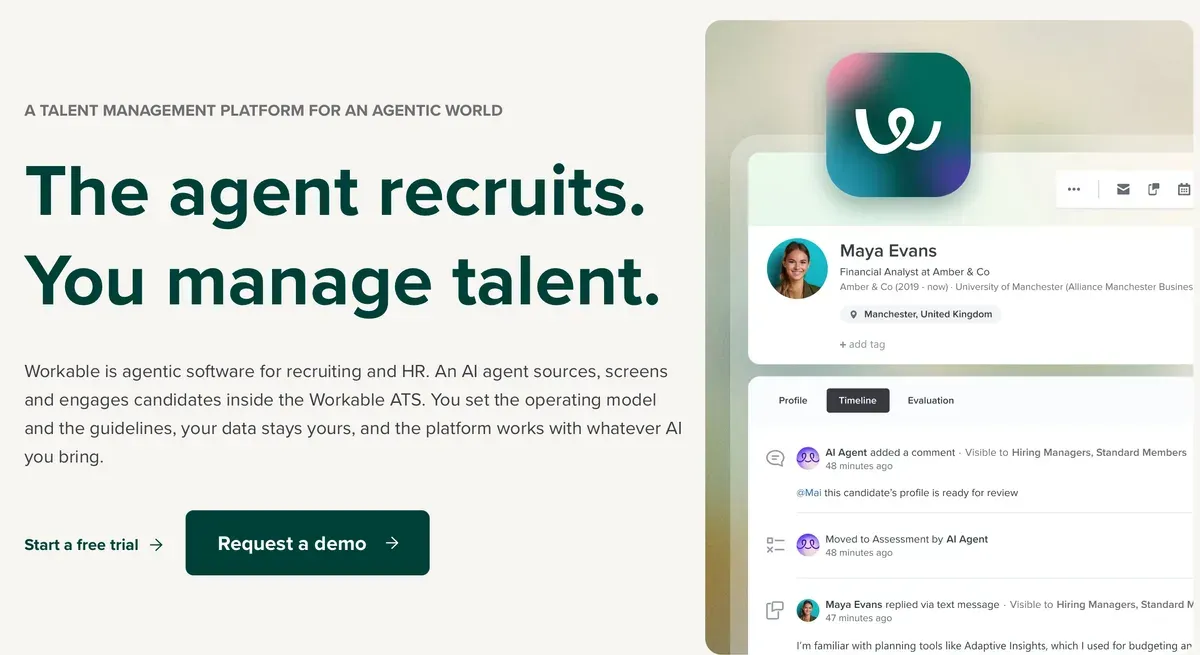
Workable covers job posting through interview coordination for teams considering a paid recruiting subscription.
What They Offer
-
Job posting and candidate management to organize recruiting activity.
-
Interview scheduling and hiring-team collaboration to coordinate the selection process.
The table’s $189/month figure comes from People Managing People’s Workable plans and pricing guide; Pin’s Workable pricing guide instead lists Standard starting at $299/month. These guides disagree on the starting price, so confirm current pricing with Workable. According to People Managing People’s guide, accounts that stay free after the trial can view existing candidate data but cannot post jobs or interact with new candidates.
Workable may suit regular hiring; startups with intermittent searches may prefer an ongoing free ATS between openings, a tradeoff discussed in our Workable vs Dover comparison.
Why Dover Is the Best Recruiting Software for Startups
For lean teams with changing hiring workloads, budget flexibility matters. We’re biased as Dover’s team, but our recommendation rests on free unlimited tracking, an optional paid ATS upgrade, and separately available fractional recruiters. You can choose more software capability or someone to own the search as hiring needs change.
For a founder reopening hiring after a quiet period, our ongoing free plan allows new job postings and applicant review without starting a paid subscription, unlike a trial that becomes read-only. Unlimited users also let additional hiring managers participate without adding seat costs. Teams needing a custom report builder may find another ATS a better fit, since we offer standard reports. Layered job and offer approvals are available on our Enterprise plan.
When Software Isn’t Enough
Tracking software organizes a search but does not run one. When a role needs outbound sourcing, market knowledge, or someone to own the process week to week, a fractional recruiter adds that capacity on top of the ATS. Recruiters who work in the same ATS as the hiring team share one view of the pipeline, which can reduce duplicate outreach and handoff overhead between internal and outside help.
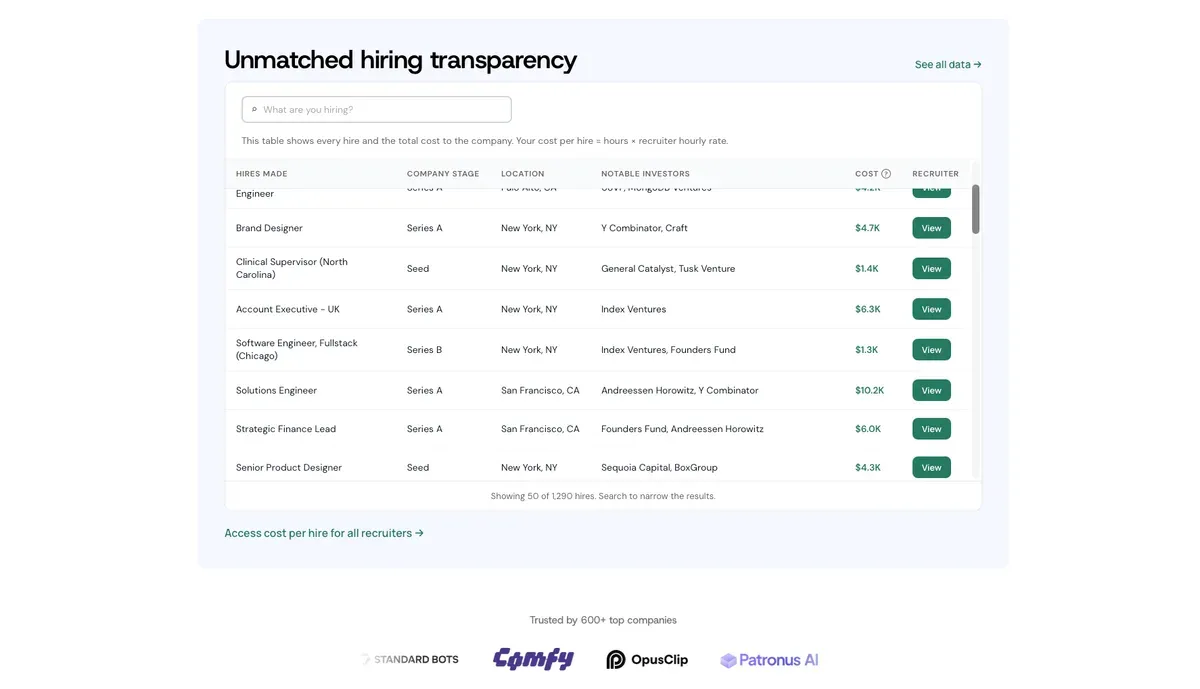
Our marketplace follows that structure. Recruiters there typically have 5 to 20 years of experience at startups and tech companies, intro calls are free and unlimited, and the deposit is fully refundable. Hourly billing is the most popular model, so cost follows work done instead of the candidate’s salary, and retainer and pay-per-hire options are also available. There are no long-term contracts. Each hire’s all-in cost appears in a public cost-per-hire table, and recruiters set their own rates.
FAQs
How do you narrow a recruiting software shortlist?
Start with your hiring frequency, budget, and the number of teams sharing the process. For occasional searches, check whether you can keep managing candidates without a paid subscription; for recurring or distributed hiring, test bulk actions, interview coordination, and reporting against your actual workflow.
What should you test as a first-time ATS buyer?
A feature list cannot tell you how much setup your team will need. In a trial or guided demo, walk through creating a job, moving a candidate, collecting feedback, and checking pipeline status. More experienced recruiting teams can also test permissions, approval steps, and reporting requirements before committing.
How do you assess the total cost of an ATS subscription?
A starting price does not capture the full purchase commitment. Request a written annual total covering billing terms, setup, required add-ons, and how pricing changes as your company grows. For quote-based plans, obtain quotes before comparing them with published entry prices.
What should you check before moving spreadsheet candidates into an ATS?
Moving contact details is only part of a migration; notes, resumes, interview stages, and candidate ownership also matter. Confirm which fields each vendor can import, remove duplicate records, and test a small batch before transferring your full pipeline. Keeping the original spreadsheet as a backup gives you a way to check for missing records.
Do you need a recruiter if you already use an ATS?
An ATS tracks applications, interviews, and feedback, but it does not source candidates or run a search. Teams hiring a few roles a year often manage with software alone. A fractional recruiter is worth considering when roles are senior or specialized, sourcing stalls, or no one on the team has time to own the search. Some setups pair a free ATS with on-demand recruiters in one shared system, as Dover does, so the recruiter and hiring team work from the same pipeline.
How does fractional recruiting work with an ATS?
Fractional recruiters can work inside your ATS or in tools you already use, such as Ashby, Greenhouse, Lever, or a spreadsheet. A shared ATS gives the recruiter and hiring team real-time visibility into candidate flow, which can reduce duplicate outreach and keep sourcing notes and outreach history in your own records after the engagement ends.
Final Thoughts on Startup Recruiting Tools
The best recruiting software for startups fits your budget and how you hire. Your next search can help clarify which features are worth paying for. Some teams stop at software, and others add recruiter capacity on top of it; Dover’s model, for instance, pairs a free ATS with on-demand fractional recruiters working in the same shared system.