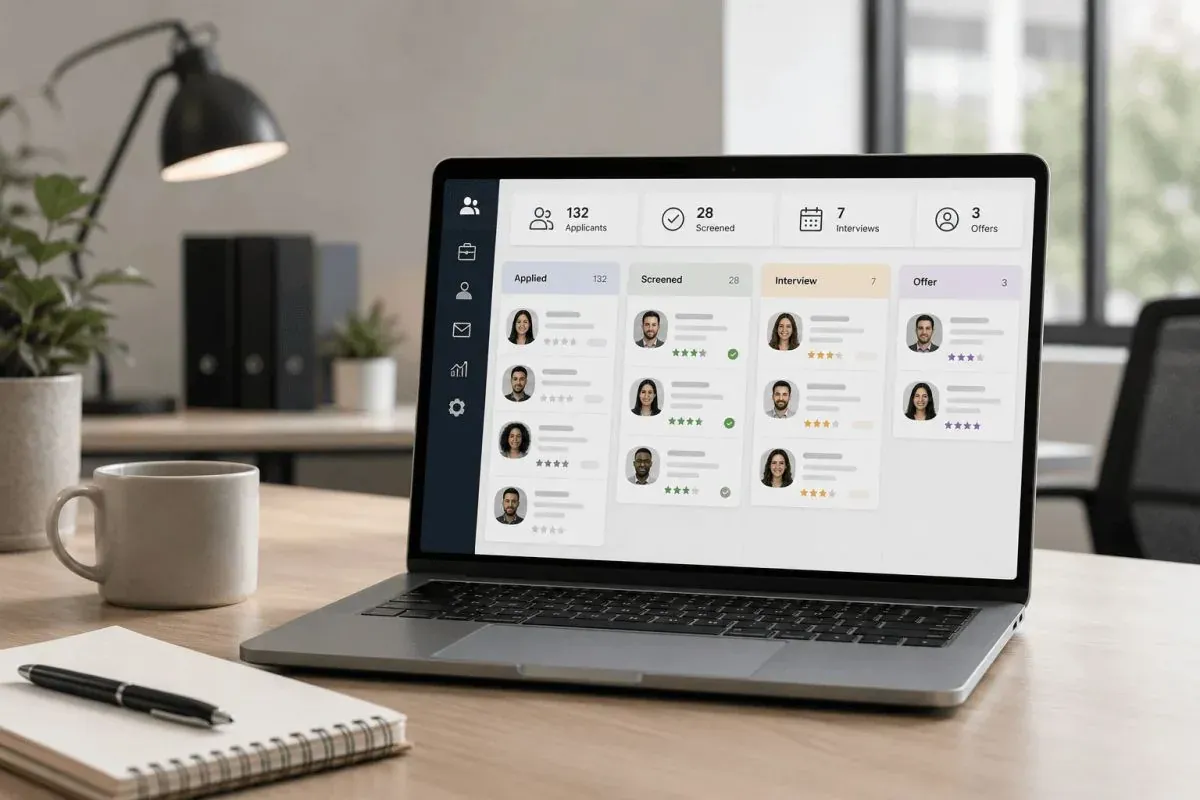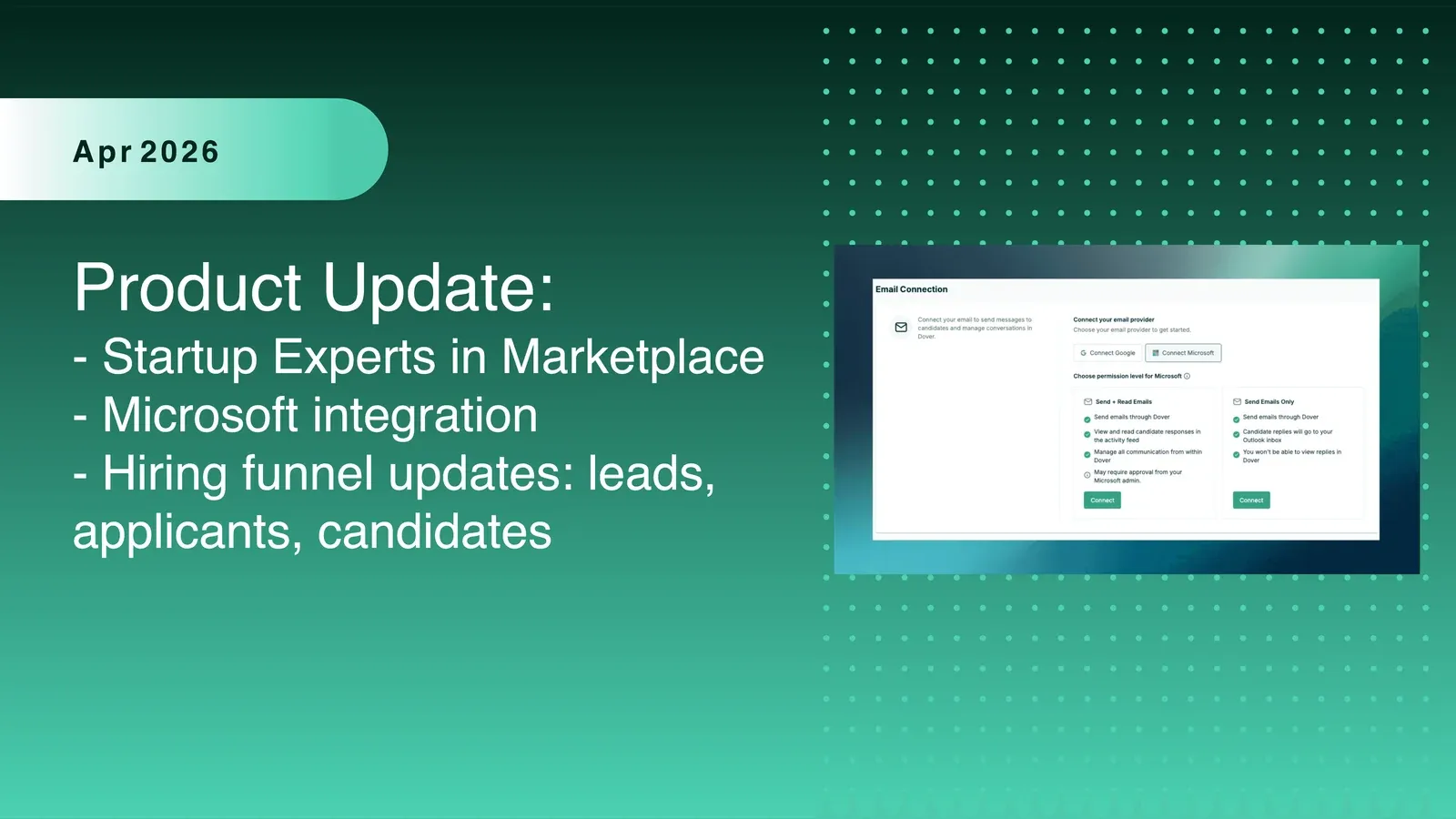
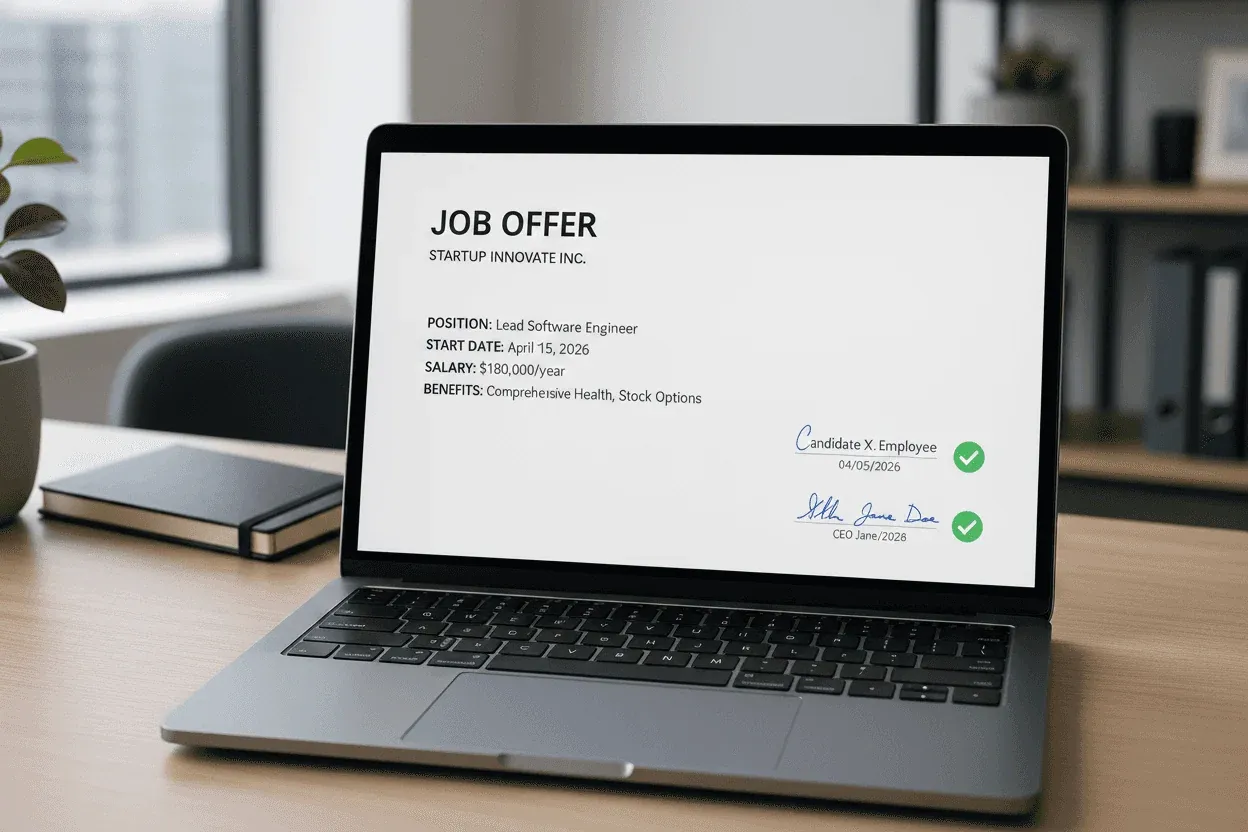
For early-stage teams without dedicated HR, figuring out how to manage offer letters and approvals can feel like an afterthought until a slow sign-off process costs you a top candidate. This guide covers what to look for in an ATS that handles offer workflows, how to set up approval chains that actually move, and when it makes sense to bring in outside recruiting support to keep your hiring pipeline from stalling at the finish line.
TLDR:
-
Using an ATS for offer letters cuts approval time and keeps top candidates engaged.
-
Template-based workflows prevent compensation errors that damage trust with hires.
-
Multi-step approval chains with audit trails protect startups from compliance issues.
-
Free ATS tools with built-in recruiter marketplaces let startups run offer workflows and scale hiring support without long-term contracts or agency fees.
-
Many companies using fractional recruiting models spend between $2,000-$7,000 per hire, well below traditional agency rates.
Why Startups Use an ATS to Manage Offer Letters and Approvals
Offer letters sound straightforward until you’re three days into a back-and-forth between a hiring manager, a founder, and legal over comp numbers that keep changing. For early-stage teams without dedicated HR, the offer process often lives in email threads, Slack messages, and shared docs with no clear owner and no audit trail.
This creates real risk. A candidate sitting in silence while approvals bounce around internally may quietly accept another offer. Research suggests that top candidates are typically off the market within 10 days of starting a search.
An ATS brings structure to this final stretch by centralizing approvals, automating offer document generation, and giving every stakeholder a single place to act. For startups, that speed and clarity can be the difference between closing a hire and restarting a search from scratch.
What to Look for in an ATS Before You Manage Offer Letters and Approvals
Not every ATS handles offer letters and approvals the same way, and choosing the wrong one can create more work than it saves. Before committing to a system, startups should look for a few specific capabilities.
Offer Letter Templating
Look for an ATS that lets you build reusable offer letter templates with variable fields for compensation, title, start date, and equity. Manual editing for each hire is slow and introduces errors.
Approval Workflows
The system should support multi-step approval chains so hiring managers, finance leads, and founders can sign off in sequence without chasing anyone over email.
E-Signature Integration
Native e-signature support or direct integration with tools like DocuSign cuts the back-and-forth of downloading, signing, and re-uploading documents.
Audit Trails
For compliance and internal accountability, look for a system that logs every approval action with timestamps. This matters more as your team scales.
| Feature Category | What It Does | Why It Matters for Startups |
|---|---|---|
| Offer Letter Templating | Reusable templates with auto-populating fields for compensation, title, start date, equity, and reporting structure | Eliminates manual copy-paste errors and speeds up turnaround time when extending offers to multiple candidates across different roles |
| Approval Workflows | Multi-step approval chains allowing hiring managers, finance leads, and founders to sign off sequentially or in parallel | Prevents offers from stalling in busy inboxes and guarantees proper sign-off without chasing stakeholders over email or Slack |
| E-Signature Integration | Native e-signature support or direct integration with tools like DocuSign for candidate acceptance | Cuts the back-and-forth of downloading, signing, and re-uploading documents, keeping the entire process in one centralized system |
| Audit Trails | Complete logs of every approval action with timestamps showing who approved what and when | Creates accountability for compensation decisions and provides compliance documentation if offer terms are questioned later |
| Time Limits on Approvals | Configurable deadlines that trigger automatic reminders when approvals sit idle beyond set thresholds | Prevents top candidates from accepting competing offers while your internal approval process drags on beyond the typical 10-day hiring window |
How to Manage Offer Letters and Approvals Using Your ATS
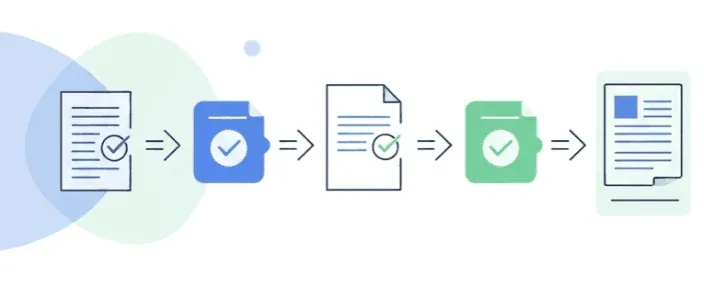
Most ATS tools include offer management features that go underused, especially at early-stage companies where hiring is still ad hoc. Getting this right means setting up a consistent workflow before your first offer goes out.
Setting Up Your Offer Workflow
Start by building an offer letter template in your ATS. Most systems let you create auto-populating fields that fill in candidate name, role, compensation, start date, and reporting structure. This removes manual copy-paste errors and speeds up turnaround.
From there, configure your approval chain. Even a two-person founding team benefits from a defined sequence: hiring manager approves terms, then a founder or finance lead signs off before the offer sends. You can usually set this up as a sequential or parallel flow depending on your process.
-
Map out who approves each offer type, since executive hires may need more sign-offs than IC roles.
-
Set time limits on approvals so offers don’t stall waiting on a busy inbox.
-
Use the ATS audit log to track who approved what and when, which matters if a candidate questions terms later.
Once approved, the ATS can send the offer directly to the candidate for e-signature, keeping everything in one place instead of scattered across email threads.
How Managing Offer Letters and Approvals Fits Into Your Full Hiring Pipeline
Offer letters and approvals sit near the end of your hiring pipeline, but their success depends entirely on what happens before them. By the time a candidate reaches the offer stage, your ATS should already hold a complete record of their journey: sourcing channel, interview feedback, compensation discussions, and any red flags that surfaced along the way.
When approval workflows are built into that same system, hiring managers and finance leads can review the full context before signing off. There’s no hunting through email threads or Slack messages to reconstruct what was discussed.
Where Offer Management Connects to Earlier Stages
A few key pipeline touchpoints feed directly into a smooth offer process:
-
Compensation ranges captured during job setup mean offer letters can be auto-populated with pre-approved figures, reducing back-and-forth with finance at the final hour.
-
Interview scorecards logged in the ATS give approvers the context they need to feel confident in an offer decision, beyond a name and a salary number.
-
Candidate communication history stored centrally means offer timing can be coordinated without accidentally going dark on a candidate who’s weighing competing options.
When to Bring in a Fractional Recruiter to Support Offer Letter Management
Even with a solid ATS in place, offer letter management can expose gaps that tech alone won’t fix. If your hiring volume is picking up, your approval chains are getting longer, or a mishandled offer recently cost you a candidate, it may be worth bringing in outside recruiting support.
A fractional recruiter steps in at specific stages of the hiring process without the overhead of a full-time hire. For startups managing multiple open roles simultaneously, they can own the offer stage entirely: drafting letters, coordinating approvals with founders or legal, and following up with candidates to keep momentum going.
A few signals that the offer stage has outgrown your current setup:
-
Your ATS is tracking approvals, but no one is accountable for moving them forward quickly.
-
Offers are going out late because founders are too stretched to review and sign off promptly.
-
Candidates are dropping off between verbal offer and signed letter due to slow follow-through.
Fractional support pairs well with an ATS because the recruiter works inside your existing workflows instead of around them, keeping your data clean and your process intact.
The Cost of Getting Offer Letters and Approvals Wrong as a Startup
Botched offer letters and slow approval chains carry real consequences for early-stage companies. When a candidate receives an offer with incorrect compensation, wrong title, or missing equity details, trust erodes fast. Many will walk away entirely, and the cost of restarting a search can run into the tens of thousands of dollars in recruiter time, interviewer hours, and delayed headcount.
Approval delays create a separate problem. Top candidates rarely wait. The best applicants are often off the market within 10 days of starting a job search, meaning a slow internal sign-off process can cost you the hire before you even extend an offer.
Without a structured system, startups also struggle at the audit layer. If an offer goes out without proper sign-off from a founder or legal counsel, you can face compensation inconsistencies across your team, which creates compliance and pay equity exposure down the road.
Here is what tends to go wrong most often:
-
Offer letters sent before compensation was formally approved, creating awkward rescissions or underpayments
-
Multiple versions of an offer template floating around, leading to outdated legal language going out to candidates
-
No clear record of who approved what, making it hard to audit decisions if a dispute arises later
How Dover Helps Startups Manage Offer Letters and Approvals without the Overhead
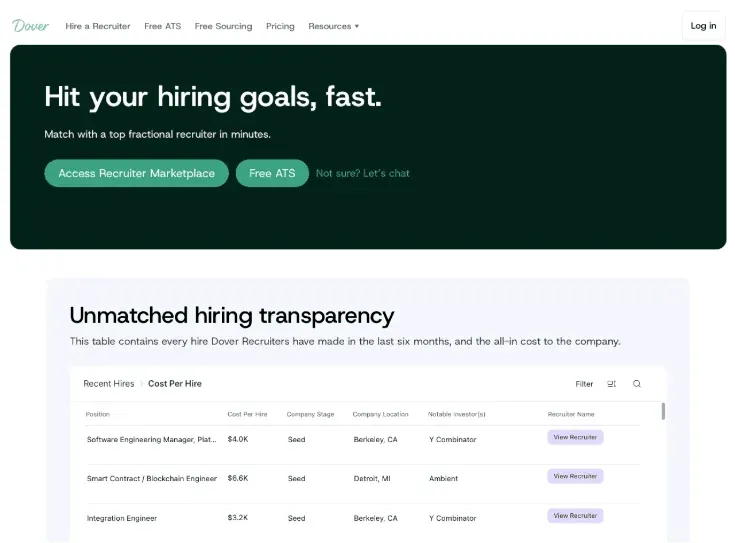
Dover’s free ATS for startups gives teams the infrastructure to run a clean offer process without paying for it. Setup takes under 5 minutes, there are no seat limits, and the system supports template-based offer generation with automated candidate communications built in.
For teams that need more than software, Dover’s recruiter marketplace connects you with fractional recruiters who typically spend 20-30 hours per role. These are experienced recruiters with deep startup hiring backgrounds, and because they work fractionally, the cost structure looks very different from a traditional agency. Most companies spend between $2,000-$7,000 per hire through Dover, compared to fees that can easily exceed $18,000 for a $120,000 hire at a conventional firm.
Getting started costs $800, fully refundable, with no contracts required. See what’s included in each plan and start running offer workflows the same day.
Frequently Asked Questions
Can you manage offer letters without a dedicated HR team?
Yes. An ATS lets you build reusable offer templates, set up approval chains, and send e-signature requests without HR infrastructure. Most startup teams set up their offer workflow in under an hour and run it with just hiring managers and founders in the loop.
What’s the fastest way to reduce offer drop-off as a startup?
Build your approval workflow into your ATS before you make your first offer. Top candidates are often off the market within 10 days, so cutting delay between verbal offer and signed letter makes the difference between closing a hire and losing them to a competing offer.
How do I use an ATS to manage offer letter approvals across multiple stakeholders?
Set up a sequential or parallel approval chain inside your ATS that routes offers to hiring managers, finance leads, and founders in order. The system logs each approval action with timestamps, sends automatic reminders if someone stalls, and keeps the entire process in one place instead of scattered across email threads.
Final Thoughts on Using an ATS to Manage Offer Letters and Approvals
A well-configured ATS gives your team the structure to manage offer letters and approvals without the manual errors, stalled sign-offs, and missing audit trails that cost startups good hires. But tooling only works if someone is actively pushing the process forward. For teams that need both the infrastructure and hands-on support, Dover pairs a free ATS with a marketplace of fractional recruiters who work inside your existing workflows, so you can run a clean offer process from template to e-signature without hiring a full-time recruiter before you’re ready.