

You’re running an early-stage startup, revenue is growing, and now you need to expand the team. Suddenly, hiring is your biggest bottleneck. And you realize the cost of building an in-house HR team or working with a full-service agency is not realistic right now. That’s why more founders now hire fractional recruiters, a flexible, and cost-effective way to get expert hiring support without the full-time commitment. In this guide, we’ll break down exactly how fractional recruiters price their services and what tech startups can expect to pay.
TLDR:
-
Fractional recruiters price their services three ways: hourly ($75-$250/hr), monthly retainer ($10K-$20K/month), or contingency (15%-25% per hire).
-
Contingency fees carry the highest total cost; five $120K hires at 20% agency rates adds up to $120K, which fractional models can cut by more than half.
-
Fractional recruiting fits best for Seed to Series B startups needing 5-15 hires per year without the overhead of a full-time recruiter.
-
A shared ATS between your team and the recruiter prevents coordination gaps and keeps pipeline data with you after the engagement ends.
-
Some tools pair free ATS software with on-demand recruiting support at $2,000 to $7,000 per hire, with no long-term contract required.
What Is a Fractional Recruiter, Anyway?
A fractional recruiter is an experienced recruiting pro who provides part-time or project-based hiring support to startups. Unlike traditional agency recruiters who juggle dozens of clients simultaneously, fractional recruiters typically focus deeply on fewer clients, offering the personalized attention of an in-house recruiter with contractor flexibility.
Fractional recruiters tackle your hiring needs, from sourcing and screening candidates to scheduling interviews, but without full-time employee overhead. Many are experts in specific fields, making it easier to fill in-demand roles like Software Engineers, Product Managers, or Marketers.
Now let’s break down the pricing models you can expect while hiring one
Fractional Recruiter Pricing Models Explained
Fractional recruiters usually price their services in three primary ways:
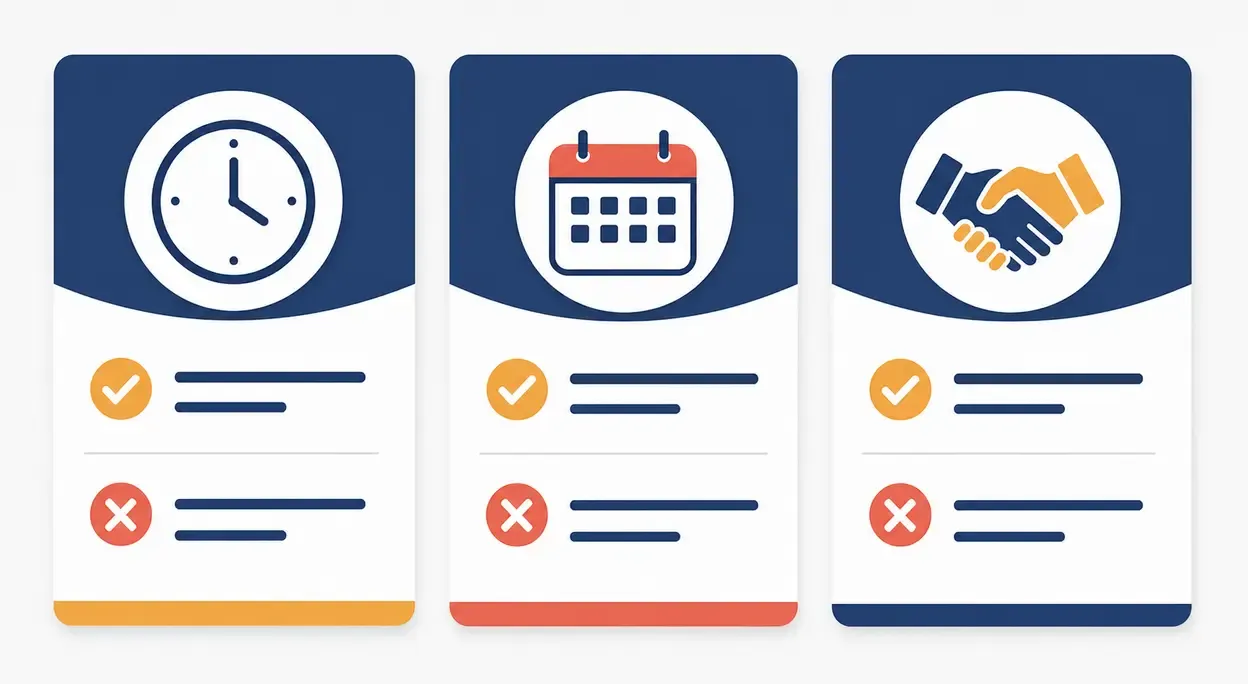
Hourly Rates
Hourly pricing is straightforward, but the rate itself moves around a lot. Where a recruiter lands depends on their specialization, the seniority of the role, how competitive the talent pool is, and how much of the process they own end to end, so treat the bands below as orientation rather than a quote:
-
$75 to $150/hr for entry-level recruiters
-
$150 to $250/hr for highly specialized or senior recruiters (think experienced tech recruiters in major hubs)
Pros: Flexible (pay only for hours needed)
Cons: Costs can spike if your hiring ramps unexpectedly. These ranges track with published recruiter cost and fee benchmarks across industries.
Monthly Retainers
Many fractional recruiters charge a fixed monthly fee, typically around $10,000 to $20,000 per month for 15 to 20 hours per week. This structure keeps recruiting efforts steady and costs predictable.
Pros: Budget-friendly (consistent recruiting focus)
Cons: Requires upfront commitment (potential for unused hours)
Contingency (Per-Hire) Fees
Some fractional recruiters use contingency or hybrid models, charging 15% to 25% of the hired candidate’s first-year salary, a range consistent with contingency recruiting fee benchmarks across the industry. If hiring an engineer at $120K/year, expect fees around $18K to $30K per hire.
Pros: No upfront cost; pay only when successful
Cons: Highest total cost per hire; recruiters may focus on easier-to-fill roles
Typical Costs and Real-World Examples
Let’s put this into perspective:
| Model | Example Cost (20 hrs/week) | Total Cost Over 3 Months |
|---|---|---|
| Hourly ($150/hr) | ~$12,000/month | $36,000 |
| Monthly Retainer | $15,000/month | $45,000 |
| Contingency (20%) | $24,000 per hire (120K role) | $24,000 to $72,000 (for 1 to 3 hires) |
Strategically choosing a fractional recruiter often saves money compared to contingency agencies, especially if you’re hiring multiple roles. Five hires at 20% agency rates (on $120K each) would cost you $120K total. For context, SHRM’s 2025 cost per hire benchmarks put the average non-executive cost at $5,475 without agency markups.
Fractional recruiting could get those same hires done for under half that amount.
Check out our real time cost per hire data!
Fractional Recruiters vs. Traditional Agencies and In-House Recruiters
Here’s how fractional recruiters stack up against other common hiring methods:
| Recruiting Option | Pros | Cons |
|---|---|---|
| Fractional | Cost-effective, flexible, focused | Limited bandwidth; potential continuity issues |
| Traditional Agency | No upfront cost; results-driven | High fees (20%+) and less personalized attention |
| In-House Recruiter | Constant availability, deep culture alignment | Fixed salary (~$100K+), less flexibility |
For early-stage startups, fractional recruiters are the sweet spot.
They’re fast, flexible, and cost less.
Traditional agencies charge hefty retainers and in-house hires raise your burn rate over time, with base salaries for in-house recruiting roles often running well above $100K per BLS HR manager wage data. Fractional recruiters fulfill your fluctuating hiring needs without locking you into long-term costs.
You get a strategic partner who understands the urgency of startup hiring. They help you fill critical roles fast, jump in when hiring ramps up, or step back when things slow down.
When Should Startups Choose Fractional Recruiting?
Fractional recruiters work best when you’re:
-
Hiring regularly but not enough to warrant a full-time recruiter
-
In Seed to Series B stages, needing 5-15 hires per year
-
Needing fast, experienced help with specialized roles (like software engineers or product managers)
For rapid hiring spurts (like after funding rounds), fractional recruiting is ideal. It lets founders and key staff focus on product growth instead of candidate outreach.
One factor that often determines how productive a fractional recruiter arrangement is from day one: whether the recruiter and your hiring team work from the same applicant tracking system. When they do, both sides have real-time visibility into sourcing activity, candidate status, and outreach history, with no manual check-ins needed to stay aligned. Without that shared view, coordination relies on status updates that lag behind reality, creating gaps and duplicate outreach. A shared ATS also means the pipeline data built during the engagement stays with your team when it ends, so each search builds on existing candidate intelligence instead of starting from zero.
How Dover Powers the Fractional Recruiting Model
Most fractional recruiting arrangements have a structural gap: the recruiter operates in their own system, and when the engagement ends, the sourcing data goes with them. Dover closes that gap by design. The ATS and the recruiter network are one system, with the same pipeline, candidate history, and outreach records shared between your team and the recruiter from day one.
Fractional recruiting agencies and independent recruiters use Dover as the operating layer behind their work. Every search runs inside an ATS your team owns, so each new search builds on prior intelligence instead of starting from scratch.
With Dover, you get:
-
Scalability: Need to ramp quickly? Dover assigns multiple recruiters to your role at once, helping you find the right candidate faster.
-
Speed: Automation handles sourcing grunt work, letting recruiters spend more time on quality candidate interactions.
-
Continuity: Even if a recruiter changes, Dover’s platform maintains all candidate relationships and recruiting data.
-
Transparent Pricing: Dover uses hourly billing models, typically resulting in lower overall costs than contingency agencies.
-
Vetted Reviews: Every recruiter in Dover’s network has verified performance data and real reviews from prior searches, giving you visibility into track records before committing to a search.
Dover essentially offers fractional recruiting-as-a-service, providing the personalized focus of fractional recruiting with dedicated recruiting partners.
Dover also provides technology and integrations that accelerate sourcing, simplify scheduling, and offer real-time visibility into your hiring process.
FAQs
Do I need an ATS before bringing in a fractional recruiter?
Not necessarily, but having one in place before the engagement starts tends to make the arrangement more productive. When the recruiter and your hiring team work from the same applicant tracking system, both sides have real-time visibility into candidate status, sourcing activity, and pipeline health, with no separate check-ins needed to stay coordinated. Without a shared system, coordination relies on manual updates and can create gaps where candidates fall through. Many free ATS tools take under five minutes to set up and are built to support fractional or part-time recruiter access from the start.
What tools do fractional recruiters typically use?
Most fractional recruiters work with an applicant tracking system for pipeline management, sourcing tools like LinkedIn or job boards for candidate discovery, and scheduling tools for interview coordination. Some bring their own tech stack; others work within whatever system the client already has in place. The cleanest arrangement is one where the recruiter operates inside the client’s own ATS, so candidate data, outreach history, and notes accumulate in your system instead of the recruiter’s. That way, the hiring data you build during an engagement carries over to future searches, regardless of whether you continue with the same recruiter.
How many hours does a fractional recruiter typically work per role?
Hours vary depending on role seniority, sourcing difficulty, and how much of the process the recruiter is handling end to end. A standard individual contributor role can often be filled in 20 to 30 hours of total recruiter time spread across a few weeks. Senior or specialized roles may require additional sourcing cycles and a longer screening process. Hourly billing means your costs track directly with the work done, instead of a flat retainer or contingency fee regardless of outcome.
What should I look for when vetting a fractional recruiter?
Start with specialization: a recruiter who has filled roles similar to yours in scope, seniority, and function will ramp faster and produce stronger candidates than a generalist. Beyond that, look for verified track records from prior searches, more than self-reported placements. Reviews from actual hiring managers who used the recruiter on comparable roles give you a cleaner signal than a portfolio of logos. Ask how the recruiter handles sourcing transparency, in particular whether they work inside your ATS or their own system, since that determines whether the candidate data they build carries over to future searches or leaves with them when the engagement ends.
Is fractional recruiting a good fit for post-funding hiring?
Post-funding hiring tends to be the clearest use case for fractional recruiting. After a Seed or Series A close, most teams need to move fast on 5 to 10 roles without the setup time or ongoing cost of a full-time recruiter. A fractional recruiter can start sourcing within days, focus on the specific roles where speed matters most, and step back once the initial push is complete. The main constraint to plan around is bandwidth: if your post-funding roadmap calls for more than 15 or 20 hires in a short window, you may need multiple fractional recruiters running in parallel, or a more structured recruiting operations setup, to keep pace.
Final Thoughts on the Recruiting Model That Fits Your Startup
The right model depends on your hiring pace, role complexity, and whether you need a full recruiting partner or just the infrastructure to manage candidates yourself. For startups leaning toward fractional recruiters, Dover is one place to see how these pieces fit together: a free ATS paired with on-demand fractional recruiters, both operating in the same shared system, at costs averaging $2,000 to $7,000 per hire with no long-term contract required.