
New York’s tech scene is thrilling and stressful and moves at lightning speed. You’re shipping code at midnight and selling to prospects by morning but the toughest task is still finding engineers and go-to-market pros who can keep up in the startup pace. If that sounds like your life as a founder the following guide to the best startup recruiting agencies in NYC is written for you.
TLDR:
-
NYC startups outsource recruiting when the founding team is stretched thin or post-funding hiring velocity becomes a priority.
-
Contingency fees typically run 20-25% of first-year salary; hourly fractional models can keep per-hire costs considerably lower as hiring volume grows.
-
Specialized firms cover distinct niches: engineering, diversity hiring, GTM roles, Salesforce ecosystems, creative talent, and C-suite search.
-
Matching a firm to your stage and role type matters more than picking the most well-known name on the list.
-
Some tools pair a free ATS with on-demand recruiting support billed for time worked instead of fixed retainers, giving early-stage teams a flexible middle path.
The Case for Tech Recruiters in New York
New York City is home to over 25,000 tech-driven startups, ranging from fintech to climate tech. That variety attracts some of the best talent but competition to find and hire one is fierce. A short supply of skilled talent means companies fight over top candidates. Time-to-hire goes up while compensation packages keep rising. In 2026, AI and machine learning roles have become the fastest-growing category in NYC’s tech market, adding fresh competition for an already thin talent pool.
Recruiting firms that dedicate all their resources to finding specialized talent give founders a real advantage in this challenging market.

Startups in NYC largely outsource when:
-
The founding team is spread too thin and can’t afford to drag hiring for months.
-
A recent funding round demands proof of hiring velocity before the next milestone.
-
The company needs someone with niche skills so posting on job boards will not cut it.
-
The team expanded to a new city (for example a satellite office) and wants local outreach.
NYC recruiters live in Slack groups and tech meetups and alumni channels that outsiders never see. They know who is quietly poking around. They know which unicorn just cut staff and the salary range that will keep a candidate from ghosting.
Finding the right recruiter can make or break your hiring goals. Let’s now look at the top tech recruiting firms.
9 Tech Recruiting Agencies NYC Startups Rely On
Below is a curated list of nine firms founders rave about most often. Each section covers strengths and pricing and best-fit use cases.
1. Dover: Best Overall. Fractional Recruiters + Free ATS
What makes Dover special
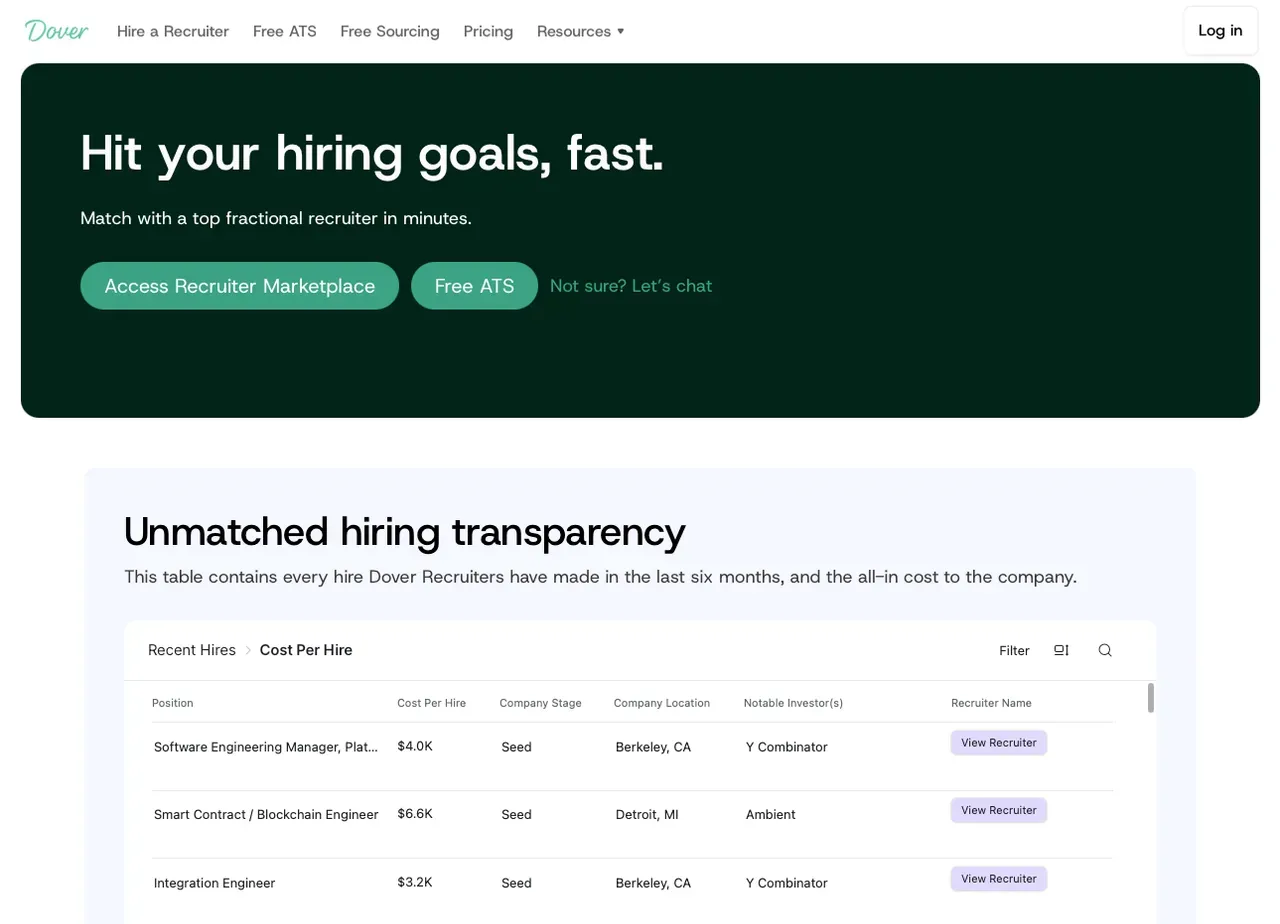
Dover combines a no-cost applicant tracking system with a marketplace of experienced fractional recruiters. Founders can create a pipeline in minutes, track every candidate in a clean Kanban view, and add an hourly recruiter on a moment’s notice.
Key points:
-
Fractional model: Pay for time worked and keep costs between $2,000-$7,000 per hire, well below a 25% contingency fee.
-
Free ATS: Unlimited jobs, users, Slack alerts, and a career page that updates automatically.
-
AI scoring: Resumes rank top-to-bottom against custom filters so hiring managers skim the best candidates first.
-
Sourcing tools: Chrome extension grabs contact info and launches email sequences in two clicks.
-
One-click posting: Post openings to 50+ boards (LinkedIn, Indeed, Wellfound) without extra log-ins.
-
Referrals: Invite employees and investors to submit intros; the system tracks and rewards them.
-
Agency portal: If you already work with other recruiters, store every submission in one view instead of a chaotic inbox.
The ATS and recruiter marketplace are designed to work together or independently. Teams with consistent inbound through job boards and referrals can run purely on the ATS; those with hard-to-fill roles, a specialized technical search, or an accelerated post-funding hiring plan can add a fractional recruiter without switching systems. Both the internal hiring team and the recruiter work inside the same pipeline, so there is one shared view of candidates instead of two separate inboxes trying to stay in sync.
Dover also functions as the infrastructure layer that many fractional recruiting agencies run on. Every recruiter in the marketplace carries real, vetted reviews from prior engagements, so hiring teams can compare track records and pick based on proven performance instead of a sales pitch.
Best Fit: Dover is popular with Seed to Series B teams that don’t want to hire a full-time recruiter, but still need to meet hiring goals over the next quarter. Over 1,500 companies, from AI firms to consumer apps, depend on Dover as their single source for recruiting.
Hear it from clients about Dover’s ATS:
“Dover’s ATS has given us more time back to spend in the lab and the tools we need to build our team,” Naren Tallapragada, CEO and Co-founder, Tessel Bio
2. Averity: The Manhattan Crew That “Speaks Code”
Averity focuses on engineering, data, and infrastructure roles. All recruiters are split by niche, so your data engineer recommendation comes from someone who actually knows Spark from Snowflake.
Pricing: Fees land at the classic 20-25% of first-year salary, yet clients report fewer false starts because Averity’s vetting includes take-home projects and in-depth technical screens.
Best-fit for: Growth-stage startups and tech firms wanting to hire thoroughly vetted candidates for data, DevOps, and backend roles.
3. Clutch Talent: Improving Diversity Through Deliberate Sourcing
Clutch is a women-owned firm determined to fix the gender gap in tech. Recruiters spend extra effort building relationships with women/non-binary engineers, and other underrepresented talent who may hesitate to apply cold. Clutch’s Services include:
-
Resume feedback
-
Mock interviews
-
Salary coaching for candidates
Pricing: Clutch Talent offers partial to full-service subscription-based packages, with additional fees for vetting processes depending on hiring needs.
Best fit for: Startups that are looking to hire a more diverse team. Use them if diversity is one of your goals.
4. Motion Recruitment: Volume Hiring Without Losing Specialization
Motion runs 70+ micro-teams, each dedicated to a single tech stack or role type. That structure lets them handle bulk orders, think 15 React developers, 12 QA engineers, and a VP of SRE, while still maintaining the quality of candidates.
Pricing: Traditional contingency fee.
Best fit for: Later stage or larger tech companies.
5. Betts Recruiting: Go-to-Market Experts
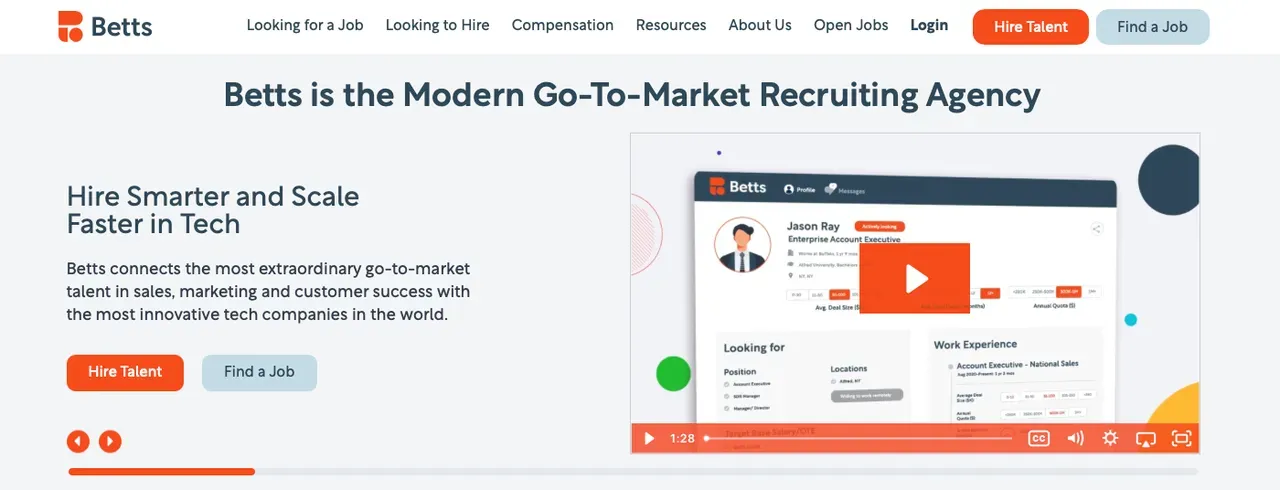
Betts places growth marketers and customer success candidates. Betts Connect, its private candidate portal, lets hiring managers scan pre-vetted SDRs, AEs, and marketing managers sorted by quota performance and industry.
Pricing: Traditional contingency fee.
Best fit for: GTM hiring teams with the capacity to manage candidate outreach and funnel.
6. AC Lion: Executive Search for Digital Media
AC Lion has filled New York media and e-commerce teams for 25 years. Clients span streaming, DTC lifestyle brands, and AR companies. They focus on executive search more than normal hiring.
Pricing: Traditional contingency fee or retainer.
Best fit for: Consumer or media-driven startups, requiring rapid team builds in competitive niches.
7. Robert Half Technology: Broad Network, Quick Contractors
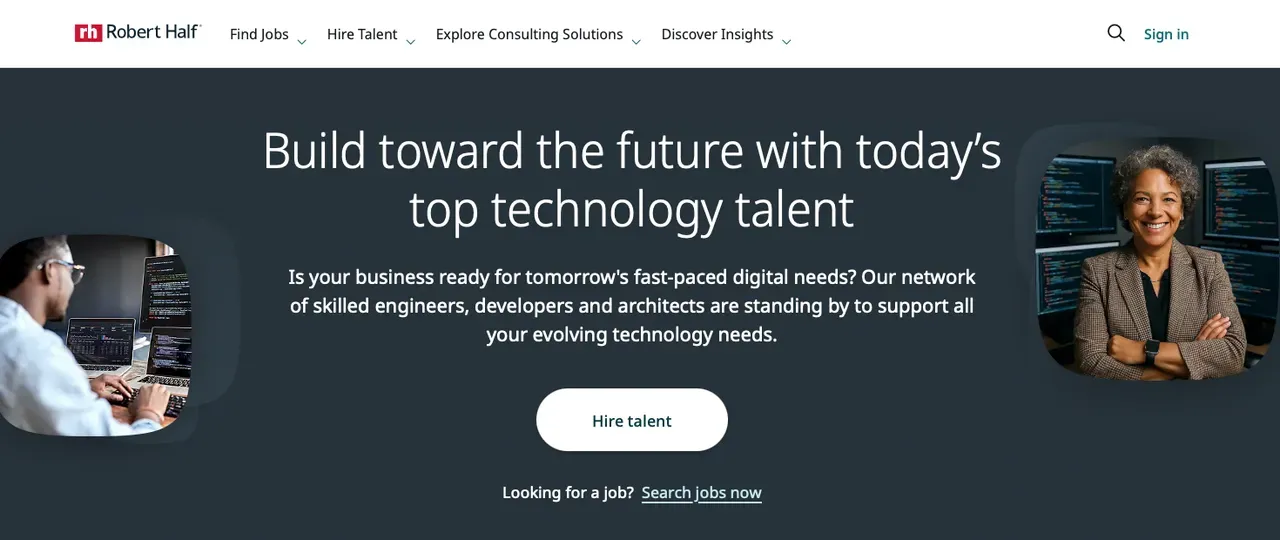
Robert Half maintains a bench of temporary or contract employees who can start immediately, plus permanent tech talent. The trade-off is a less tailored search compared to boutique firms.
Pricing: Although the prices are not publicly disclosed, according to remote people, you can expect to pay contingency fees of an average of 20-35% for permanent tech talent and 70% for temporary roles.
Best fit for: Startups that need immediate help and don’t need a highly skilled candidate.
8. 80Twenty: Creative and Design Freelancers and Hires
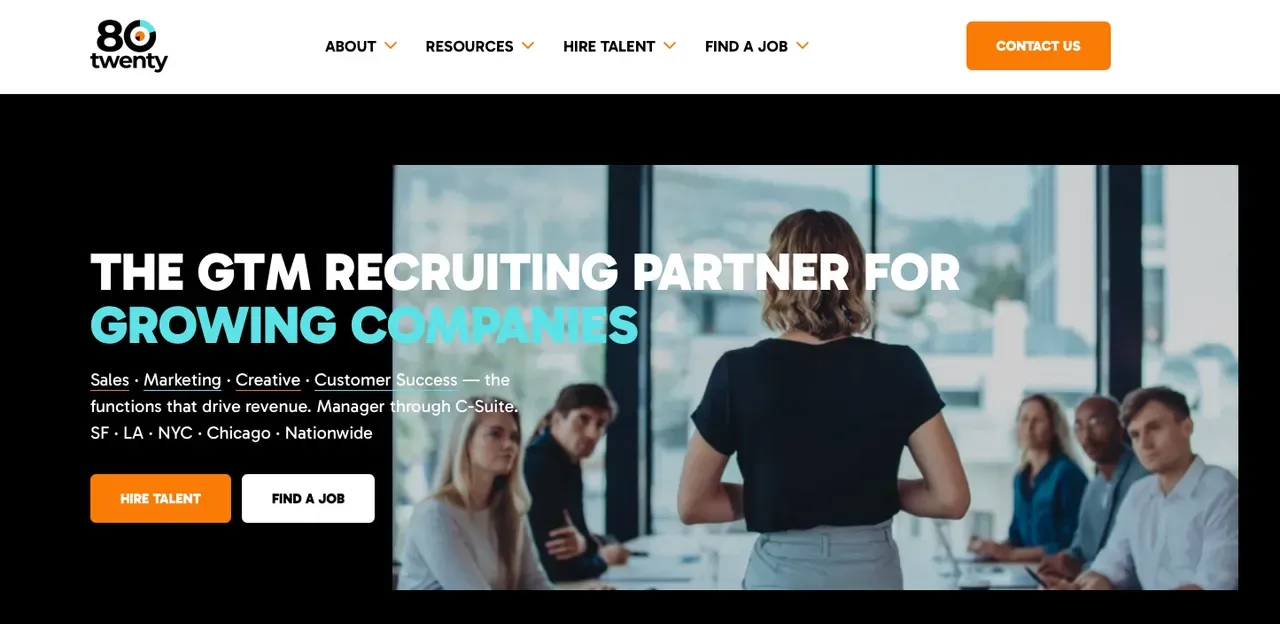
80Twenty fills roles like product marketing manager, UX designer, and social media lead. Startups launching a consumer app love the agency’s knack for finding storytellers.
Pricing: Contracts can be project-based, temp-to-hire, or full-time placements.
Best fit for: Startups needing creative talent or vetted design freelancers.
9. Riviera Partners: Senior Tech Leadership on Retainer
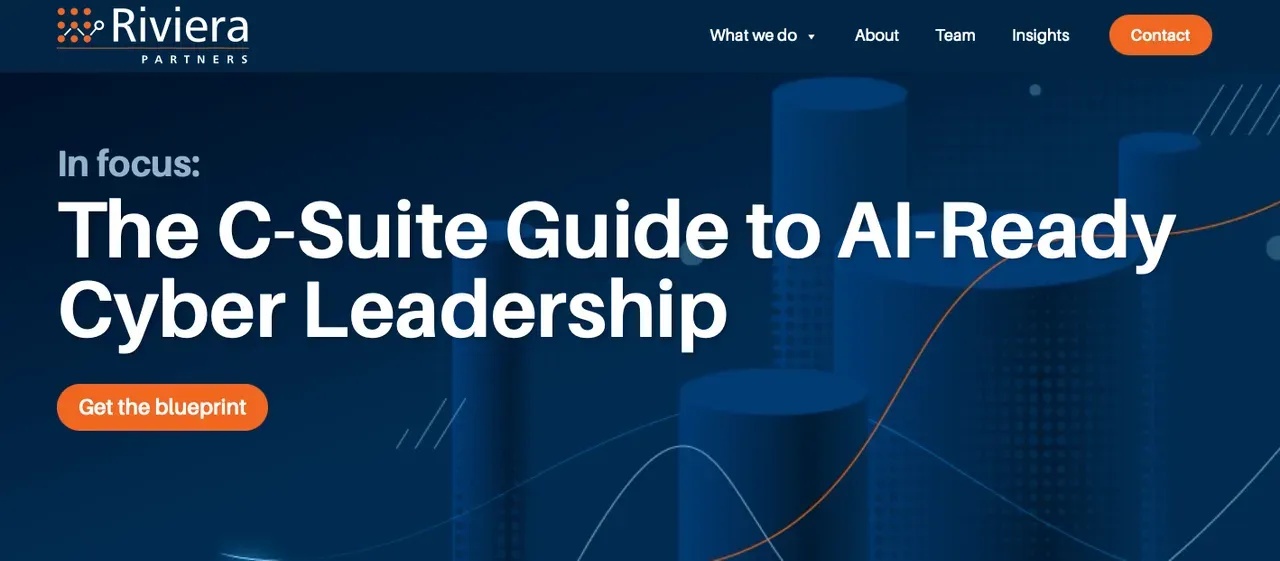
Riviera Partners handles C-suite and VP searches only. Their proprietary database tracks thousands of senior engineers and product leaders, including passive candidates. If you’re searching for a CTO ready to lead 50 engineers or a VP Product to guide a roadmap past Series C, Riviera is the recruiting partner you need.
Pricing: The firm works on a retained basis at roughly one-third of first-year cash compensation.
Best fit for: Companies with mature engineering teams looking to bring on experienced C-suite and VP-level talent through a data-driven executive search approach.
Side-by-Side Comparison of NYC Tech Recruiting Firms
| Recruiter | Core focus | Good for which stage |
|---|---|---|
| Dover | Fractional recruiters + a free ATS. | Seed to Series B with flexible hiring needs |
| Averity | Software, data, DevOps | Any stage |
| Clutch Talent | Women and underrepresented tech talent | Teams working on diversity goals |
| Motion Recruitment | High-volume multi-role search | Later stage |
| Betts Recruiting | Sales and marketing roles | First revenue hires or quota push |
| AC Lion | Digital media, adtech, product | Consumer or media-driven startups |
| Robert Half Tech | Contractors and IT generalists | Quick fill or short-term projects |
| 80Twenty | Creative, design, marketing | Brand-heavy product launches |
| Riviera Partners | CTO, VP Engineering, Head of Product | Growth-stage executive search |
Where Dover Fits Into All of This
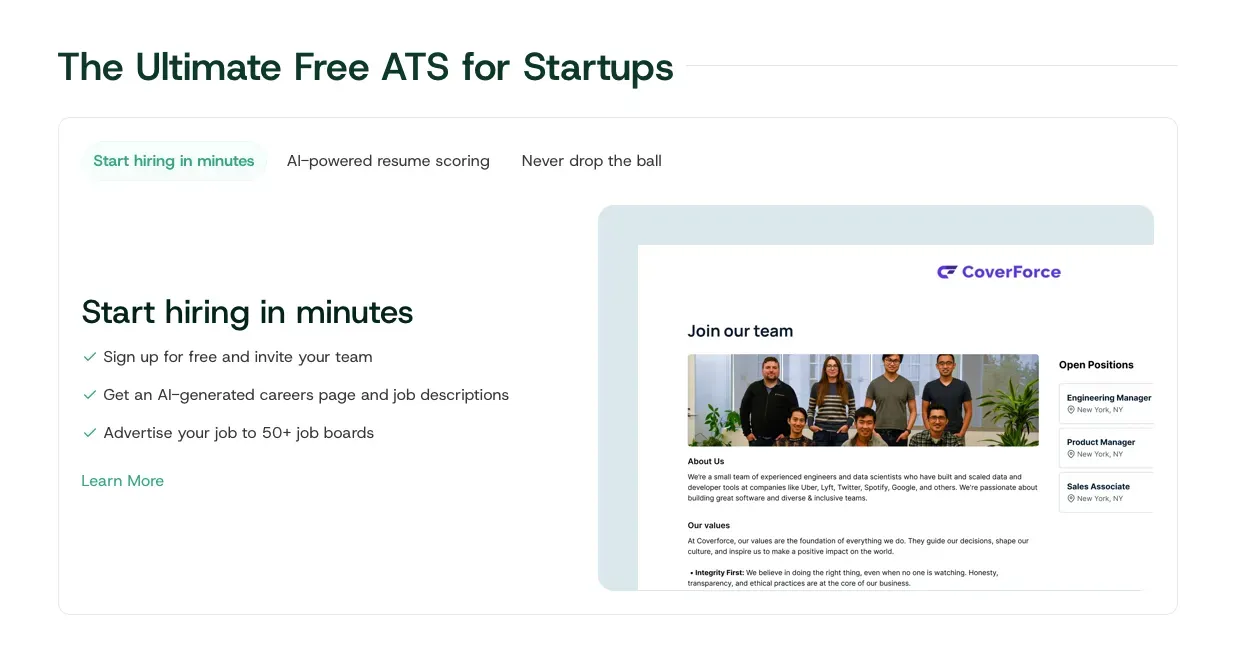
Most Seed to Series B teams face the same bind: contingency agencies are expensive and hard to control, while building an in-house recruiting function is too much overhead for a team still finding its footing. Dover is built for that gap. The free ATS handles pipeline tracking, job board distribution across 50+ boards, and AI-powered resume scoring at no cost. When a search needs hands-on support, fractional recruiters from the marketplace plug directly into the same system, so there is no handoff friction or duplicate candidate tracking.
Dover also functions as the infrastructure layer that many fractional recruiting agencies operate on. Every recruiter in the marketplace carries real, vetted reviews from prior engagements, so hiring teams can compare track records and pick based on proven performance instead of a sales pitch. For a closer look at how costs break down across models, the guide on fractional recruiter cost is worth reading alongside the startup hiring trends 2026 piece, which covers which roles NYC investors expect founders to fill next.
FAQs
What does a fractional recruiter do day-to-day?
They source, screen, and schedule. Think of them as part-time teammates who ramp instantly, then step back once the pipeline is full. At Dover, fractional pros work inside your Slack, attend stand-ups, and adjust hours each week based on hiring load.
Is a Recruiter in NYC the Same as a Recruiter in SF?
Not quite. NYC talent tends to include more fintech and enterprise experience, while SF candidates often have deep SaaS and AI backgrounds. If you plan to hire engineers in San Francisco as well, pick an agency with bicoastal reach, like Dover, Motion, and Betts.
How Long Does It Take to Hire an Engineer in New York Right Now?
With a specialized recruiter, 3-5 weeks from kick-off to signed offer is typical for mid-level engineers. SHRM’s 2026 recruiting benchmarks put the median time to fill at 39 calendar days for nonexecutive positions, while senior or niche roles in NYC can stretch to eight weeks or longer. Founders running solo sometimes report 90-day cycles.
Are Contingency Fees Worth the Cost?
They save cash when you rarely hire, but costs can increase once the headcount plan hits double digits. Hourly or subscription models gain favor because the total cost per hire drops as hiring volume rises. Our guide on hiring mistakes startup founders make shows real math behind each path.
Final Thoughts on Hiring in NYC
Whether you lean on Dover’s free ATS, pull in a fractional expert for ten hours a week, or run a retained search for a seasoned CTO, investing in a structured recruiting process pays for itself many times over. Especially in a city ranked as the second-largest startup ecosystem globally, you’re competing with hundreds of other startups, if not more, for top-tier tech talent. One mistake and it can put a pause on product launches. If you’re interested in learning more, feel free to get in touch with one of our startup recruiters to see what we can do.