

Most teams have at least one person who somehow can’t manage the tasks they like least. The report that never gets formatted correctly. The follow-up email that always goes unsent. The process they’ve “never quite understood,” despite months on the job. It looks harmless at first, but weaponized incompetence quietly redistributes work to your most capable people, drains morale, and chips away at trust. Over time, high performers burn out while underperformance goes unchecked. Preventing that pattern starts long before it shows up in performance reviews, often with smarter hiring decisions made through the right recruiting partner.
TLDR:
-
Weaponized incompetence is deliberate underperformance to avoid tasks, causing 70% of workers to experience workplace toxicity effects.
-
Watch for repeated mistakes on routine tasks, selective competence, and resistance to learning as key warning signs.
-
Tackle it directly by setting documented expectations, building accountability, and refusing to take over poorly done work.
-
Hiring accountable team members upfront prevents this behavior from taking root in your organization.
-
Some solutions connect startups with vetted fractional recruiters who screen for genuine ownership and accountability during interviews.
What Is Weaponized Incompetence?
Weaponized incompetence is when someone deliberately pretends they can’t do a task, or does it so poorly that others stop asking them to help. You might also hear it called strategic incompetence. Either way, the goal is the same: avoiding responsibility by appearing incapable.
The key distinction here is intent. Someone genuinely struggling with a new skill will ask questions, accept feedback, and improve over time. Someone weaponizing incompetence will make the same mistakes repeatedly, resist guidance, or claim confusion about tasks they’ve done before.

This behavior shows up everywhere from personal relationships to office environments. A partner might consistently “forget” how to load the dishwasher correctly. A coworker might bungle basic tasks so badly that colleagues just do the work themselves next time.
The consequences are real. 70% of people report negative effects from workplace toxicity, and weaponized incompetence contributes to that problem. When one person opts out through fake helplessness, everyone else picks up the slack.
Signs of Weaponized Incompetence in the Workplace
Spotting weaponized incompetence at work takes pattern recognition. Here are the telltale signs:
Repeated Mistakes on Routine Tasks
When someone messes up the same report format for the third month running, that’s a red flag. Genuine mistakes happen, but people learn from them. Someone weaponizing incompetence won’t improve despite feedback or training.
Selective Competence
Watch for colleagues who excel at tasks they enjoy but suddenly can’t manage basic work they dislike. They nail creative projects but claim they “just don’t get” spreadsheets, despite having done them before.
Resistance to Learning
They avoid training sessions, dismiss helpful resources, or respond to guidance with “I’m just not good at this stuff.” The message is clear: they won’t get better because they don’t want to.
Overdone Helplessness
Excessive flattery often comes alongside the incompetence. “You’re so much better at this than me” becomes a regular refrain right before they dump work on your desk.
The Psychology behind Weaponized Incompetence
At its core, weaponized incompetence stems from avoidance. People use it to escape tasks they find boring, difficult, or beneath them, but the roots go deeper than simple laziness.

Fear of failure also drives this pattern. Some people would rather appear incompetent than risk trying and falling short. By setting low expectations from the start, they avoid the vulnerability that comes with genuine effort.
Power dynamics matter too. Weaponized incompetence becomes a control tactic where the person who can’t or won’t do certain tasks forces others to step in, deciding who does what without direct confrontation.
Weaponized Incompetence vs. Learned Helplessness
These two behaviors look similar but stem from different sources. Learned helplessness develops when someone experiences repeated failure or criticism that convinces them they truly can’t succeed. They believe they’re incapable, and that belief becomes self-fulfilling.
Weaponized incompetence is a choice. The person knows they could do the task but opts not to try or deliberately underperforms.
How do you tell them apart? Look at consistency. Learned helplessness shows up across multiple areas of someone’s life. Weaponized incompetence is selective, appearing only around tasks the person wants to avoid.
Response to encouragement also differs. Someone with learned helplessness might improve with patient support and positive reinforcement. Someone weaponizing incompetence will resist help, deflect responsibility, and continue the pattern.
Examples of Weaponized Incompetence across Different Settings
Weaponized incompetence manifests differently depending on the setting, but the pattern remains the same: someone performs tasks poorly enough that others take over the work.
At work, this looks like the colleague who consistently sends emails with formatting errors or missing attachments until you handle their communications. Managers who “forget” how to access basic system reports shift data retrieval to assistants. The employee who repeatedly misfiles documents eventually gets excluded from handling important paperwork (exactly the goal).
In romantic relationships, the behavior extends beyond household tasks into emotional labor. Partners claim they’re “bad at” making reservations or scheduling car maintenance, leaving phone calls to you. They struggle to remember friends’ names or important dates, so you manage the social calendar. After years of inappropriate gifts, you shop for everyone, including your own presents.
Within families, adult children show up expecting prepared meals despite living independently, claiming they never learned to cook. Siblings avoid elder care duties by insisting they “wouldn’t know what to do” while others coordinate medications and appointments.
The Impact of Weaponized Incompetence on Teams and Organizations
Weaponized incompetence damages entire teams and creates ripple effects across organizations.
When one person consistently underperforms or avoids tasks, their workload is transferred to everyone else. This creates the “curse of competence” where capable employees get punished for their skills. You do good work, so you get more work. Meanwhile, the person fumbling basic tasks gets a pass.
Unfair work distribution is a well-documented contributor to employee burnout. High performers carry double duty while watching others slide by. Resentment builds. Engagement drops. Eventually, your best people leave.
Trust erodes across the team. Colleagues stop believing in each other’s commitment. Collaboration becomes transactional instead of genuine. People avoid partnering with known underperformers, creating silos that hurt productivity.
The business outcomes are measurable. Projects take longer when competent team members burn out or leave. Quality suffers when overburdened employees rush through excess work.
How to Deal with Weaponized Incompetence
Dealing with weaponized incompetence starts with direct conversation. Skip passive hints and frame it with curiosity: “I’ve noticed you struggle with X task. What’s getting in the way?” This opens dialogue without immediate defensiveness.
Set specific expectations and document them. Vague requests like “help more around the house” leave room for continued incompetence. Instead: “You handle laundry every Tuesday and Saturday” or “You own the client reporting process each month.”
Build in accountability through regular check-ins, peer reviews, shared calendars, or task-tracking apps where both people see who’s responsible for what.
The hardest part? Stop taking over. When someone does a mediocre job, resist the urge to fix it yourself.
| Warning Sign | What It Looks Like | How to Tackle It |
|---|---|---|
| Repeated Mistakes on Routine Tasks | Same formatting errors in monthly reports, consistently incorrect data entry, or repeatedly missing steps in existing processes despite training | Document the correct process in writing, set a clear deadline for improvement, and schedule weekly check-ins to review progress with specific examples |
| Selective Competence | Excels at creative projects or client-facing work but claims inability to handle spreadsheets, scheduling, or administrative tasks they’ve done before | Assign the disliked task with clear quality standards, refuse to reassign it, and tie successful completion to performance reviews and advancement opportunities |
| Resistance to Learning | Skips training sessions, ignores documentation, dismisses helpful resources, or responds to guidance with statements like “I’m just not good at this” | Make training attendance mandatory with sign-off requirements, create step-by-step guides they must follow, and require them to teach the process back to you |
| Overdone Helplessness | Frequent comments like “You’re so much better at this” or “I don’t want to mess it up” followed by dumping work on colleagues’ desks | Acknowledge the compliment but firmly redirect: “I appreciate that, and I’m confident you can handle this. Let’s set up time tomorrow to review your completed work” |
| Pattern of Incomplete Work | Submits drafts missing key sections, leaves tasks 80% finished, or consistently needs others to complete final steps | Return incomplete work immediately without fixing it, specify exactly what’s missing, and make clear that incomplete work counts as not submitted until fully done |
How Hiring the Right Team Prevents Weaponized Incompetence
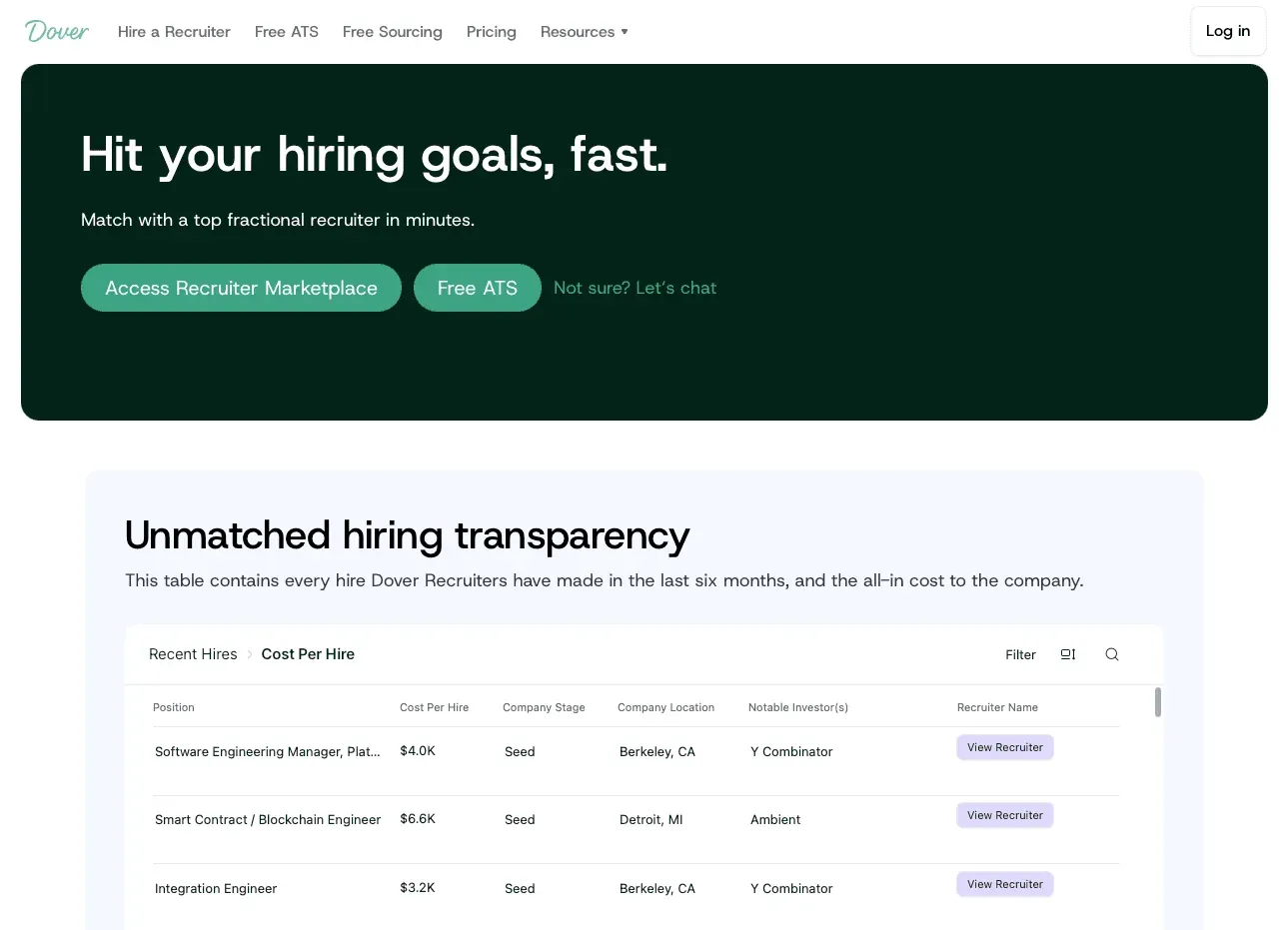
The best defense against weaponized incompetence is hiring people who take ownership. Yet 7 in 10 organizations struggle to fill roles, often rushing decisions that value credentials over character.
Screening for accountability takes expertise most startups don’t have. Dover’s Recruiting Partners assess genuine ownership during interviews. Our vetted recruiters look for candidates who take initiative, accept feedback, and follow through.
Investing in quality hiring upfront builds accountable teams from day one. The alternative is dealing with strategic incompetence down the line, which costs far more in lost productivity and team morale.
Frequently Asked Questions
How can you tell if someone is weaponizing incompetence versus genuinely struggling?
Look for patterns: genuine struggling shows improvement over time with feedback, while weaponized incompetence involves repeated mistakes on the same tasks without progress, selective competence on preferred work, and active resistance to learning or training.
Why does hiring for accountability matter when building teams?
Hiring people who take ownership from day one prevents weaponized incompetence before it starts. When you screen for genuine accountability and follow-through during interviews, you build teams where everyone carries their weight instead of dealing with strategic underperformance later.
What workplace costs come from weaponized incompetence?
Weaponized incompetence creates unfair work distribution that drives burnout among high performers, erodes team trust and collaboration, causes talented employees to leave, and slows down projects while hurting overall quality as overburdened team members rush through excess work.
Final Thoughts on Stopping Weaponized Incompetence
Weaponized incompetence only works when it’s tolerated. Whether it shows up at home or at work, the pattern is the same: one person lowers the bar and someone else quietly carries more. The real fix is cultural, not reactive. Clear ownership, documented expectations, and consistent accountability reset the standard for everyone. But the strongest safeguard starts before day one. Hiring people who take responsibility for outcomes, on top of the tasks, makes it far less likely that weaponized incompetence takes root in the first place. That’s where Dover can make a difference, helping companies build accountable teams from the start through smarter hiring decisions.