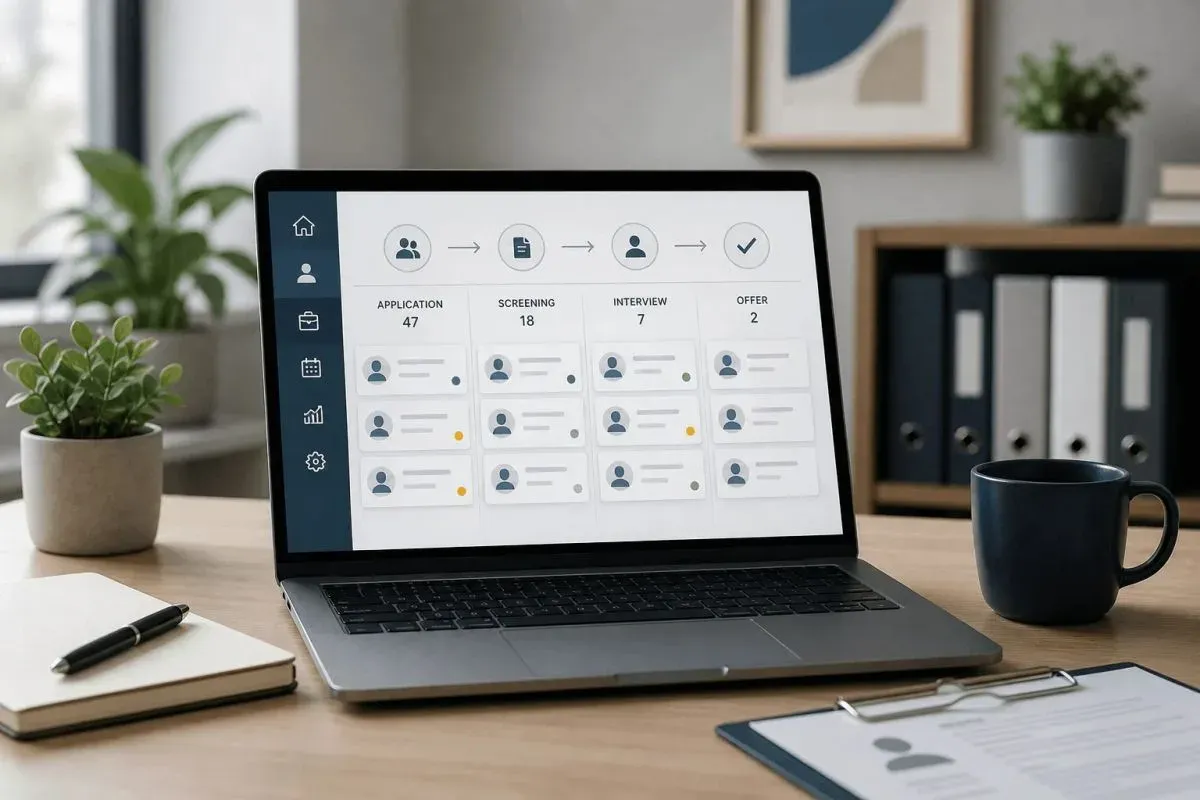
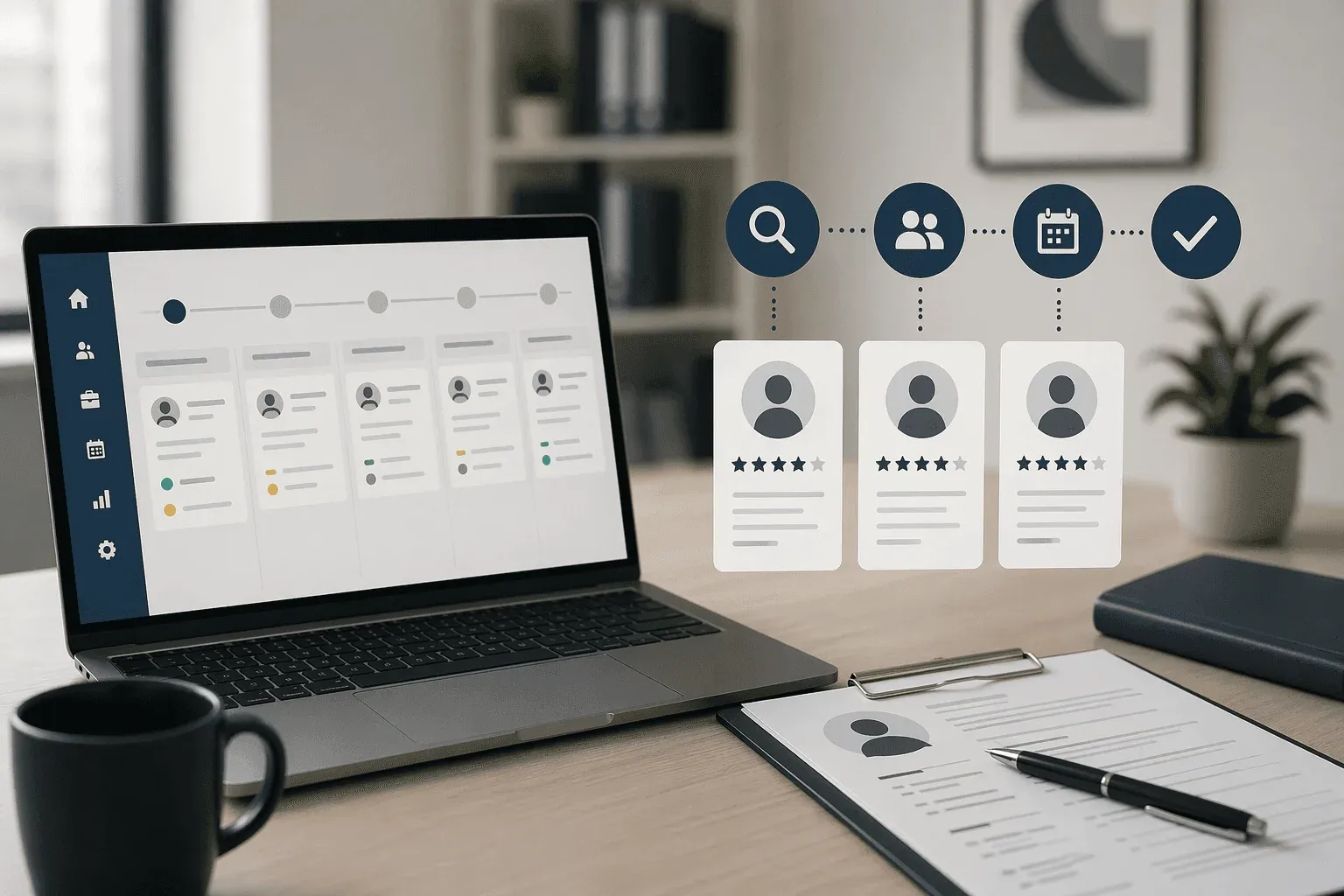
You’re looking at applicant tracking systems because hiring through email and shared spreadsheets stopped scaling months ago, but most of the options you’ve demoed feel like they’re built for someone else’s company. Either the pricing is hidden behind a sales call, the setup takes weeks, or the feature set is so bloated you’ll never use half of it. We’ve compared six of the most common ATS platforms across cost, implementation time, and core functionality so you can see which one fits where you’re hiring right now instead of where some vendor thinks you should be.
TLDR:
-
An ATS manages your full hiring pipeline from job posting through final offer in one system.
-
Free options exist, while enterprise tools can run $100K+ annually plus implementation.
-
Some tools can combine a free ATS with optional fractional recruiters at $2K-$7K per hire.
-
Many platforms charge per seat or user, creating cost barriers as your team grows.
-
Some modern solutions give startups recruiting software and on-demand recruiting help without contracts.
What Is an Applicant Tracking System?
Recruiting software that manages the full hiring process, an applicant tracking system takes candidates from job posting through application collection, interview stages, and final decision, all in one place instead of scattered across email threads and spreadsheets.
At its core, an ATS automates resume screening, tracks where each candidate stands, and gives your whole team a shared view of the pipeline. More advanced systems go further, offering AI-powered candidate matching, automated interview scheduling, multi-channel job board distribution, and recruiting analytics that show you where strong applicants drop off. Adoption is widespread: a 2026 survey of 1,000 hiring managers found that 71% screen applications using ATS software, and some research suggests recruiters report positive impacts from implementing an ATS, particularly around process effectiveness and hire quality.
How We Ranked Applicant Tracking Systems
Our rankings draw from publicly available information across five key factors:
-
Ease of use and setup time, especially for teams without dedicated IT support
-
Core functionality: resume parsing, candidate communication, interview scheduling, and reporting
-
Pricing transparency and value relative to features offered
-
Integration depth with job boards and existing HR tools
-
Fit across company stages, from early-stage startups to enterprise organizations
No single system wins on every dimension. A tool that works well for a 10-person startup may be completely wrong for a 2,000-person company. Keep that in mind as you read through each option below.
| ATS | Best For | Pricing | Key Limitation |
|---|---|---|---|
| Dover | Seed to Series C startups hiring 5-50 roles/year | Free ATS; optional recruiters at $75-$125/hr ($2K-$7K/hire) | Less suited for large enterprise or high-volume hiring ops |
| Workday | Enterprises already running Workday HCM across payroll and HR | $100K-$500K+/year; implementation adds $300K-$800K in year one | Native candidate sourcing features are limited; some AI features may be separately licensed add-ons |
| iCIMS | Large, multi-location organizations with layered hiring needs | ~$150-$300/month single user; $1K-$2.5K/month for 10-user SMB setup | Feature depth and setup overhead excessive for small teams |
| Workable | Mid-market teams with international or multilingual hiring needs | Starts at $299/month; full functionality closer to $537/month | Reporting is rigid; add-ons inflate real cost quickly |
| Greenhouse | Companies with 100-10,000+ employees and dedicated recruiting teams | From $6,500/year (Core); implementation $1K-$15K extra | Advanced analytics and sourcing tools excluded from base tier |
| Lever | Mid-sized teams focused on passive candidate nurturing and DEI | ~$6-$8/employee/month (third-party estimate); quote-based | Boolean search and reporting tools are limited |
Best Overall Applicant Tracking System: Dover
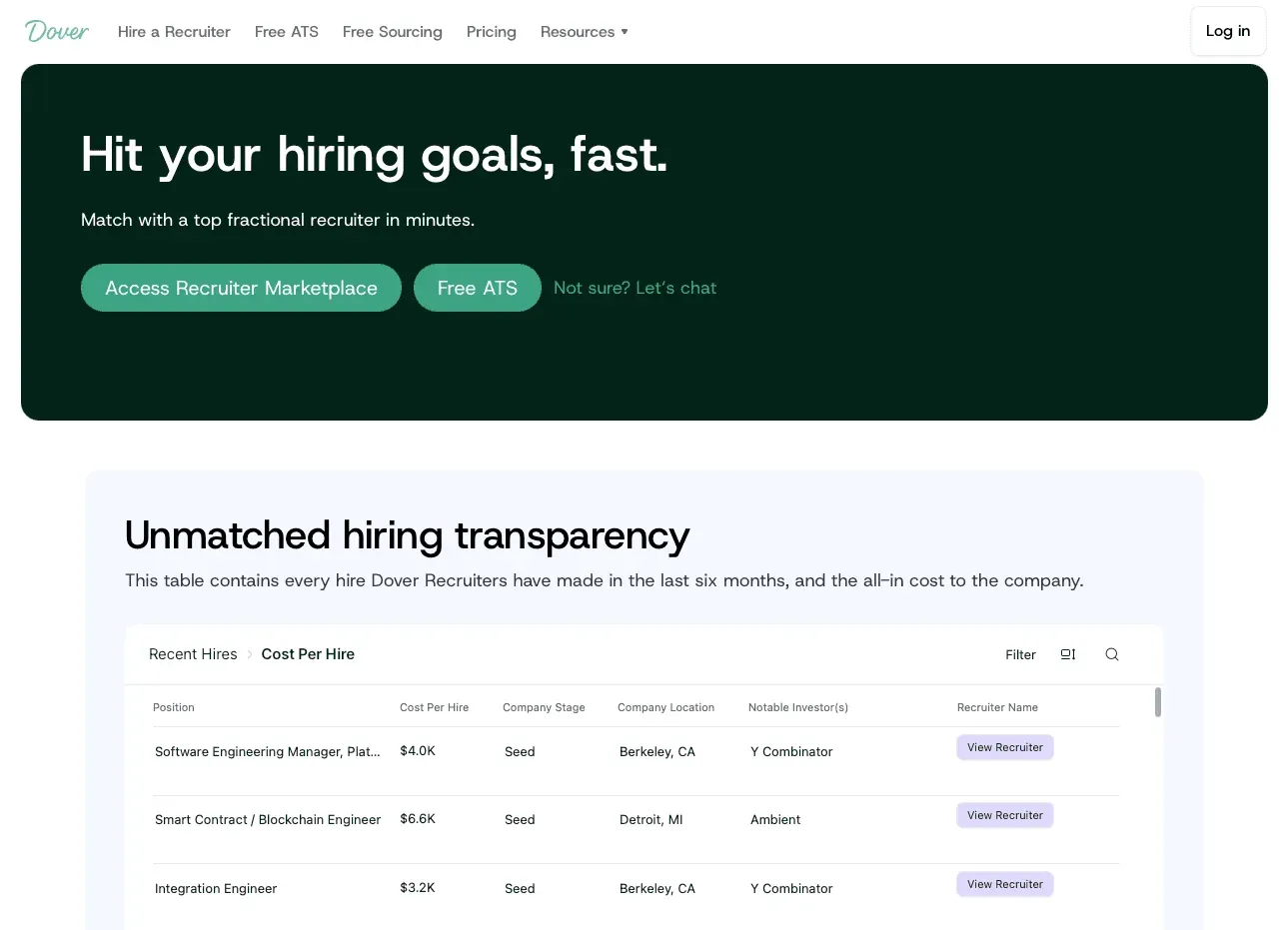
Dover approaches recruiting differently from every other tool on this list. The ATS is completely free, with no seat limits and no caps on active jobs. Setup takes under five minutes, and the interface feels closer to a spreadsheet than enterprise software.
The free tier covers a lot: AI-powered applicant scoring, one-click posting to 100+ job boards, no-code career pages, referral tracking, agency management, and a Chrome sourcing extension for finding candidate contact info directly from LinkedIn. That’s a full hiring stack before you’ve spent a dollar.
Where Dover separates itself is the optional recruiter marketplace. When software alone isn’t enough, you can bring in a vetted fractional recruiter who bills hourly at $75-$125/hour, with no contracts and no retainers. Most companies spend roughly $2,000-$7,000 per hire this way, compared to the $18,000-$30,000 a traditional agency might charge on a $120,000 role.
What makes the combination work is that fractional recruiters and internal teams operate from the same ATS. No siloed spreadsheets, no handoff lag. Sourcing activity, candidate flow, and pipeline metrics stay visible to everyone in real time.
Dover is best suited for seed to Series C startups, teams hiring 5-50 roles per year, and companies that need more than software but aren’t ready to bring on a full-time recruiter.
Workday
Workday offers an ATS as part of its Human Capital Management suite, built for large enterprises that want recruiting, payroll, benefits, and workforce planning under one roof. The recruiter hub gives talent teams a personalized workspace with AI-driven nudges from tools like HiredScore that flag high-priority candidates before they go cold.
What They Offer
-
Centralized requisition creation with templates, approval chains, and hiring manager assignment
-
Branded career pages with mobile-friendly apply flows and resume auto-fill
-
AI features including HiredScore for candidate prioritization and a Recruiting Agent for scheduling recommendations
-
Mass communication tools, evergreen requisitions, and hiring campaign management for high-volume roles
Good for enterprises with 1,000+ employees already running Workday infrastructure across payroll and HR.
The cost is steep. Workday Recruiting typically runs $100K-$500K+ per year as part of Workday HCM, with implementation adding another $300K-$800K in year one. AI features like HiredScore are separately licensed add-ons, and native candidate sourcing features are limited, so you could pay over $350,000 and still need separate outreach tools.
Workday makes sense if you are already committed to their HCM suite. For companies assessing primarily for recruiting, that price point is hard to support without the broader Workday investment already in place.
iCIMS
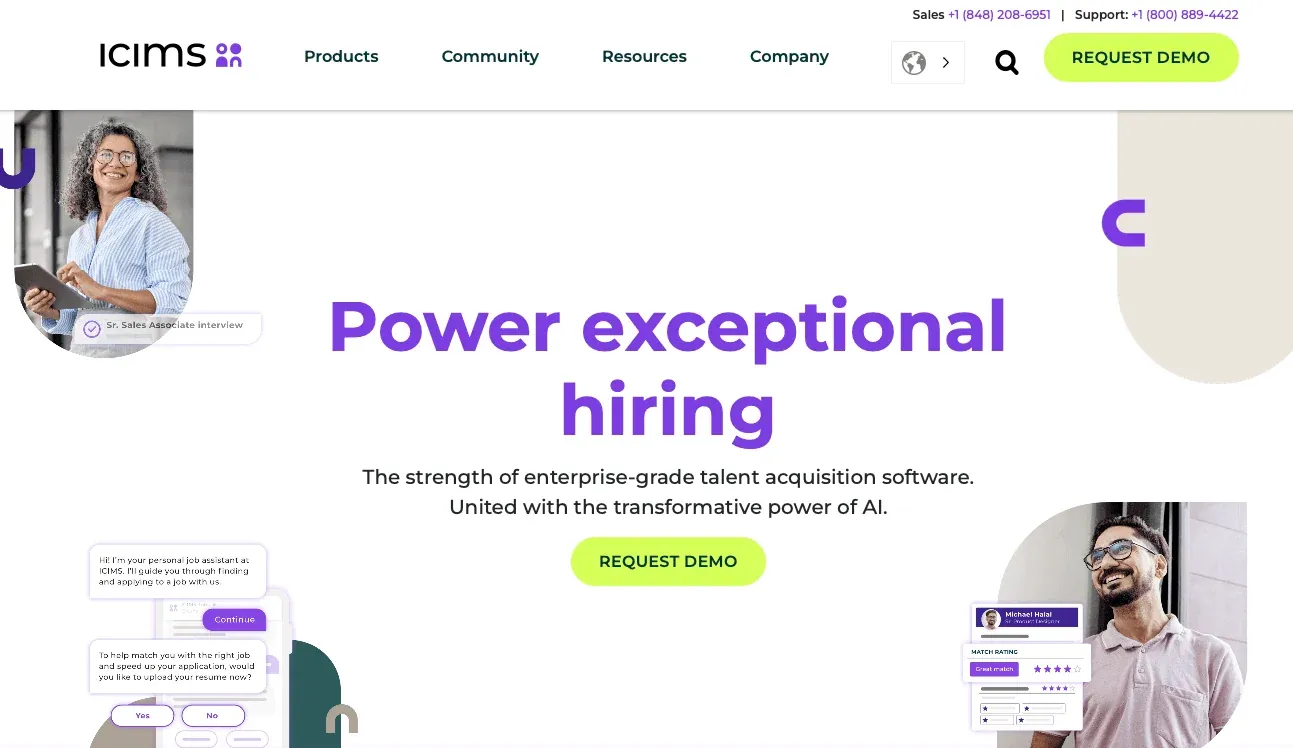
iCIMS bundles ATS, CRM, career sites, onboarding, text recruiting, and AI into one talent cloud aimed at enterprise and high-growth organizations.
What They Offer
-
Automated workflows for moving candidates through stages, approvals, and notifications
-
Mobile-first apply flows, branded career sites, and digital assistants for applicants
-
Integrations with hundreds of HR tools through the iCIMS Marketplace
-
Recruitment marketing that auto-distributes jobs across 300+ social networks
Good for large, multi-location organizations with layered hiring needs. Small businesses will likely find the feature depth and implementation overhead excessive.
Pricing is custom and quote-based. A single-user basic plan runs roughly $150-$300/month, and a 10-user SMB setup can reach $1,000-$2,500/month, plus implementation fees on top.
Workable
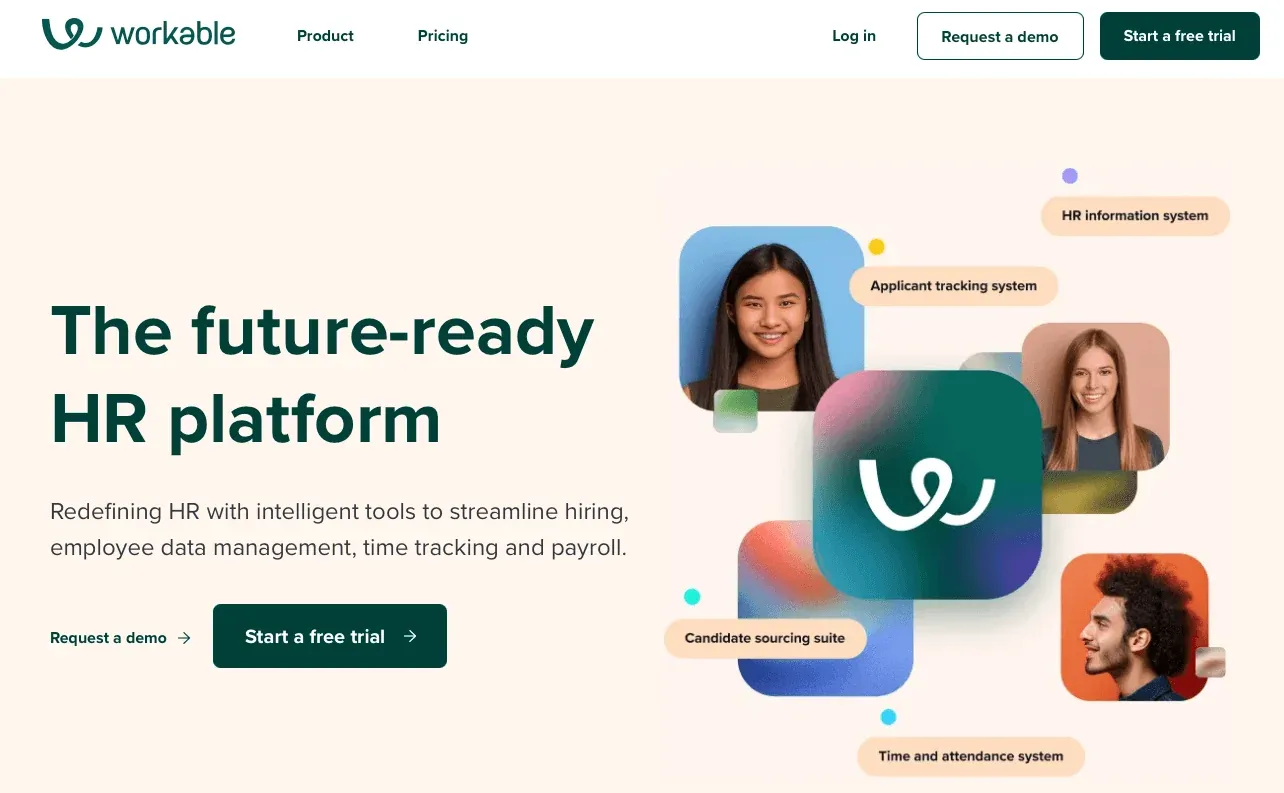
Workable serves over 20,000 customers and has built its reputation on sourcing reach: one-click posting to 200+ job boards and access to a built-in database of 400 million candidate profiles. Founded in 2012, it targets small to mid-sized businesses that want AI-powered matching, multilingual support for international hiring, and a reasonably approachable interface.
What They Offer
-
AI tools for candidate matching, requisition building, and salary insights
-
Localization and multilingual support for global hiring
-
Sourcing, scheduling, onboarding, and basic HRIS features
-
200+ job board integrations and a 400M profile sourcing database
Good for mid-market teams with international hiring needs and a budget for add-ons.
The pricing gets complicated fast. The Standard plan starts at $299/month, but texting, video interviews, and assessments each cost extra, pushing real monthly spend closer to $537 for full functionality. Reporting is also fairly rigid, with limited customization for teams that want deeper pipeline analytics.
Greenhouse
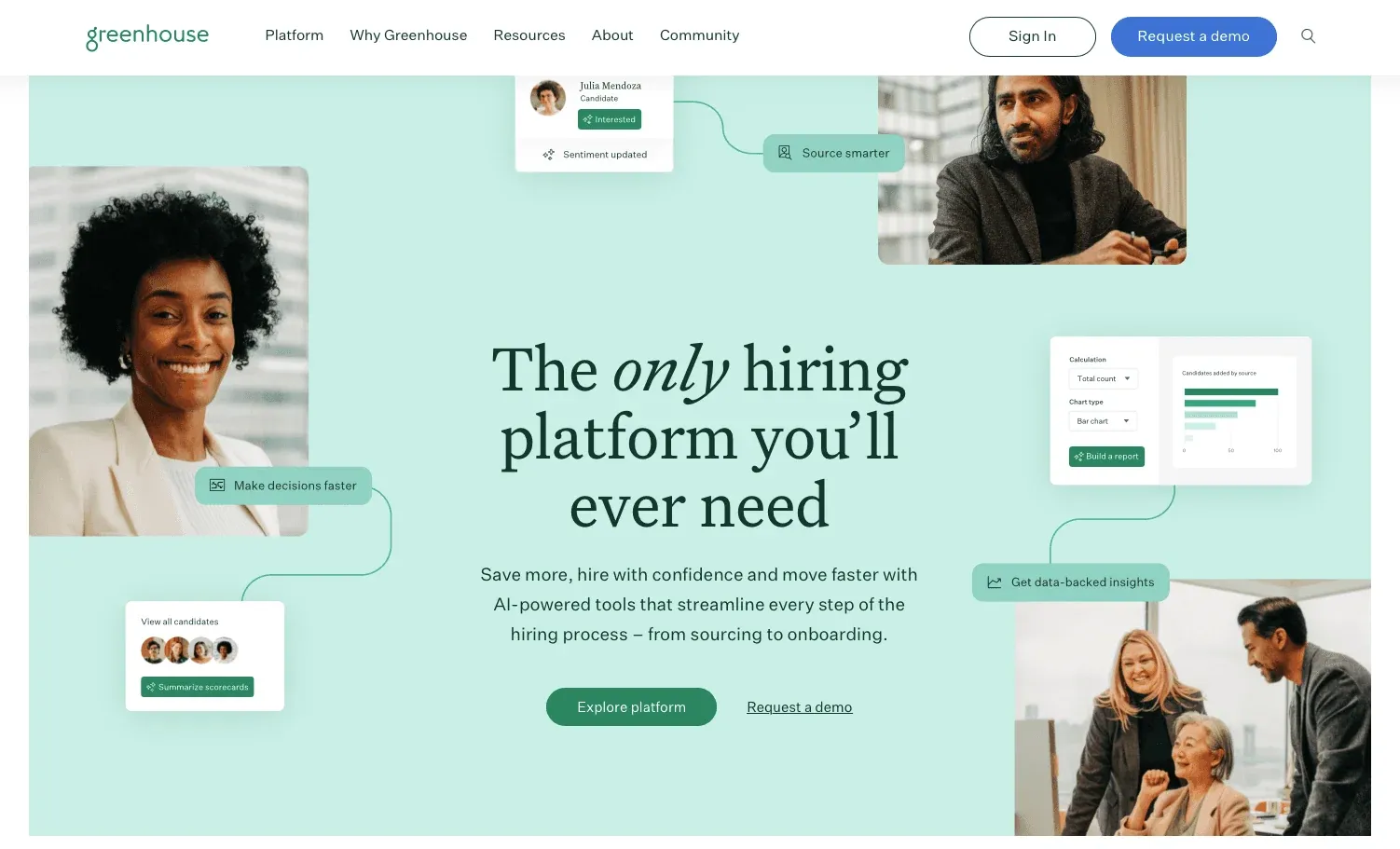
Greenhouse serves mid-size to enterprise companies that want every hiring decision to be structured and evidence-based. Each role gets a customized plan with defined stages, interview kits, and scorecards.
What They Offer
-
Anonymized resume review, demographic data collection, and inclusion analytics
-
Customizable pipeline stages, scorecards, and approval workflows
-
Reporting on hiring velocity, source effectiveness, and DEI metrics
-
400+ pre-built integrations across HRIS, assessments, and onboarding tools
Good for companies with 100 to 10,000+ employees hiring regularly with dedicated recruiting teams and compliance needs.
Entry cost starts around $6,500/year for the Core tier, which excludes advanced analytics, onboarding, and sourcing tools most teams need within a year. Implementation runs $1,000 to $15,000, and buyers often see 8 to 15% annual increases at renewal.
Lever
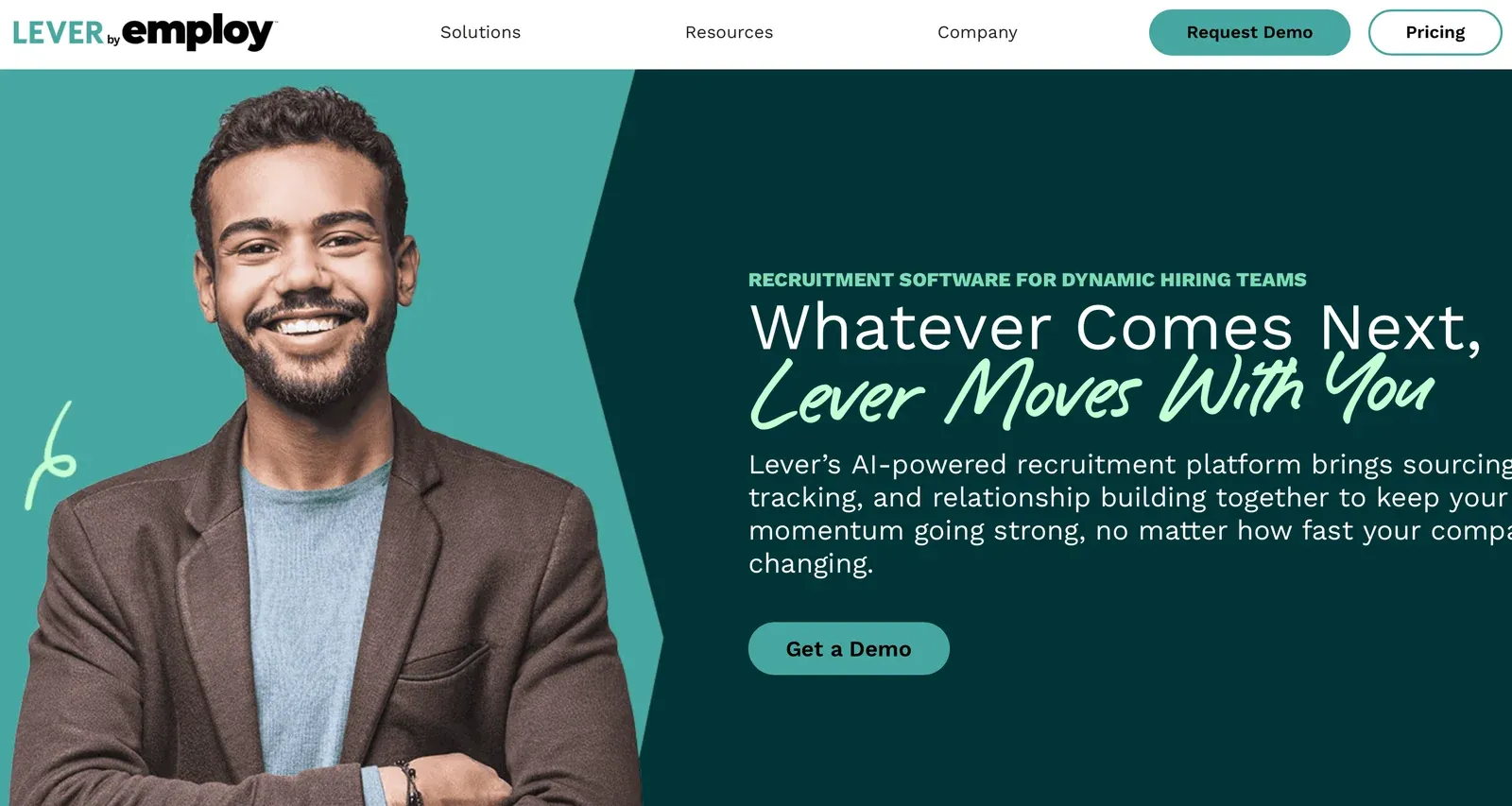
Lever combines ATS functionality with candidate relationship management through its LeverTRM product, making it a fit for mid-sized teams that invest in nurturing passive candidates over time instead of just managing active applicants.
What They Offer
-
Unified ATS and CRM for tracking both applicants and sourced prospects in one view
-
AI Interview Companion, AI Screening, and AI Sourcing tools
-
Structured interview kits, feedback forms, and calendar-integrated scheduling
-
Automated email sequences, stage-change triggers, and bulk actions
Good for companies with dedicated recruiting teams focused on DEI initiatives and long-term candidate relationships.
Pricing is quote-based, with third-party estimates suggesting around $6 to $8 per employee monthly, though pricing varies by contract. Costs climb fast as headcount or add-ons grow. Boolean search and reporting tools are also limited, which frustrates teams that rely on data to manage pipeline health.
Lever works well if passive candidate nurturing is a core part of your hiring strategy. If it isn’t, you’re paying for CRM features you may rarely use.
Why Dover Is the Best Applicant Tracking System
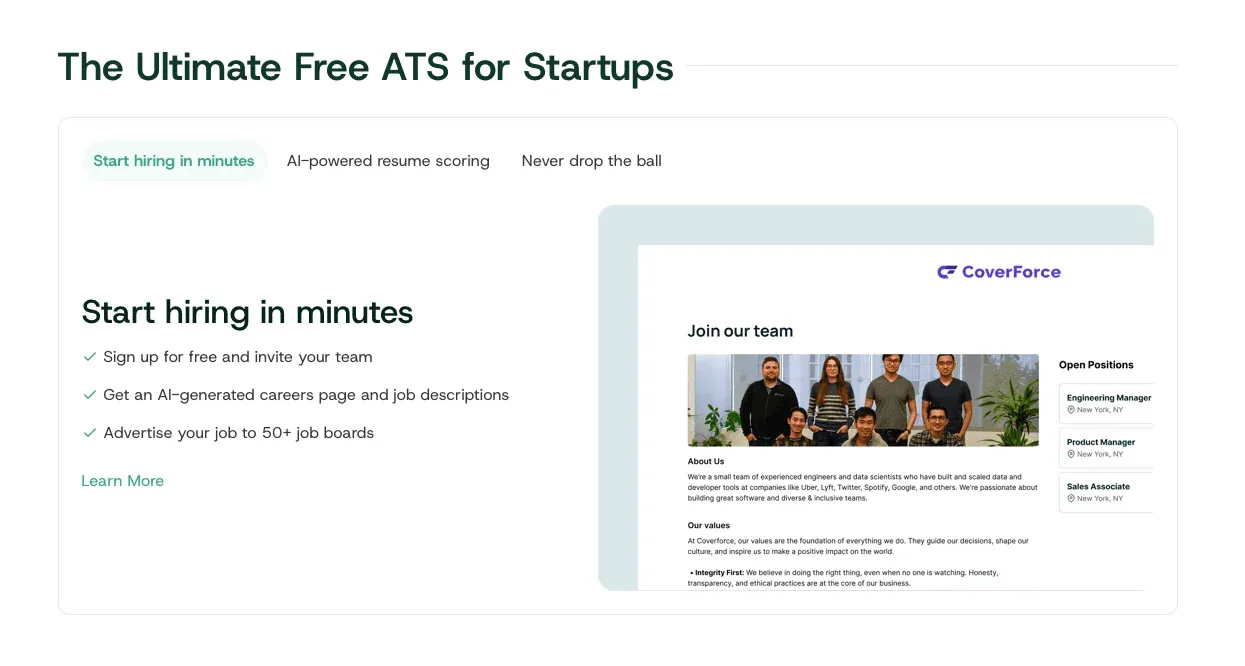
Most ATS tools on this list require a choice: pay for software and handle recruiting yourself, or commit to expensive agencies and long contracts. Dover removes that tradeoff entirely.
The ATS is free, unlimited, and ready in minutes. When you need more than software, Dover’s recruiter marketplace gives you hourly access to experienced recruiters with no contracts or minimums. Most companies spend roughly $2,000 to $7,000 per hire that way, compared to the $18,000 to $30,000 a traditional agency charges on a $120,000 role.
The real advantage is the shared system. Fractional recruiters and your internal team work from the same ATS, so pipeline visibility never breaks down. No handoffs, no surprises, no separate spreadsheets running in parallel.
For early-stage and growing companies, that combination is hard to match anywhere else.
Frequently Asked Questions
How do I choose the right applicant tracking system for my company size?
Early-stage startups hiring 5-50 roles annually typically need simplicity and low costs: look for free or low-cost systems with fast setup and basic automation. Mid-sized companies with dedicated recruiting teams can support more investment in tools like Greenhouse or Lever that offer structured workflows and DEI analytics. Enterprises running complex, multi-location hiring operations may need systems like Workday or iCIMS that integrate with broader HR infrastructure, though these come with substantial implementation overhead.
What’s the difference between an ATS with a recruiter marketplace versus traditional recruiting agencies?
Traditional agencies charge 15-25% of first-year salary (often $18,000-$30,000 for a $120,000 hire) and work on commission, which can misalign incentives around candidate fit. A recruiter marketplace model typically bills hourly at $75-$125/hour with no contracts, allowing you to scale recruiting help up or down based on actual needs and pay only for hours used instead of placement fees.
Which applicant tracking system works best for international or multilingual hiring?
Look for systems with built-in localization support and multilingual career pages if you’re hiring across multiple countries. Workable offers multilingual support and global job board reach, while larger platforms like iCIMS and Workday include localization features as part of their enterprise suites, though at higher price points.
Final Thoughts on Picking an Applicant Tracking System
The right applicant tracking system depends on your hiring volume and whether you have dedicated recruiting support. Dover gives you a free ATS with no limits, so you can start immediately and add recruiter help only when you need it. Most early-stage teams find that mix works better than paying for enterprise software they won’t use. If you’re unsure where to start, talk through your hiring setup to see what combination of tools and recruiter time fits your stage.