Your resume might be perfect for the job, but if it can’t get past the applicant tracking system, no one will ever read it. These tools scan most online applications, looking for specific keywords, formatting, and qualifications before ranking candidates. Most job seekers don’t realize their resume is being assessed by software first, which is why so many applications go unanswered. We’re going to show you exactly how these ATS tracking systems work and what you need to do to make sure your resume gets in front of the people making hiring decisions.
TLDR:
-
ATS software parses your resume into searchable fields and ranks you against other candidates.
-
92% of recruiters confirm ATS doesn’t auto-reject resumes; humans make final decisions.
-
Use standard headers, single-column layouts, and mirror job description keywords exactly.
-
Free ATS checkers like Jobscan show your match score; aiming for 75% or higher improves your chances.
-
Some modern tools offer a free ATS with unlimited jobs, AI-powered screening, and access to vetted recruiters.
What Is ATS Tracking (Understanding the Term)
If you’re searching for “ATS tracking,” you’re likely looking for one of two different things. Job seekers and recruiters typically want information about Applicant Tracking Systems, the software that manages job applications and screens resumes.
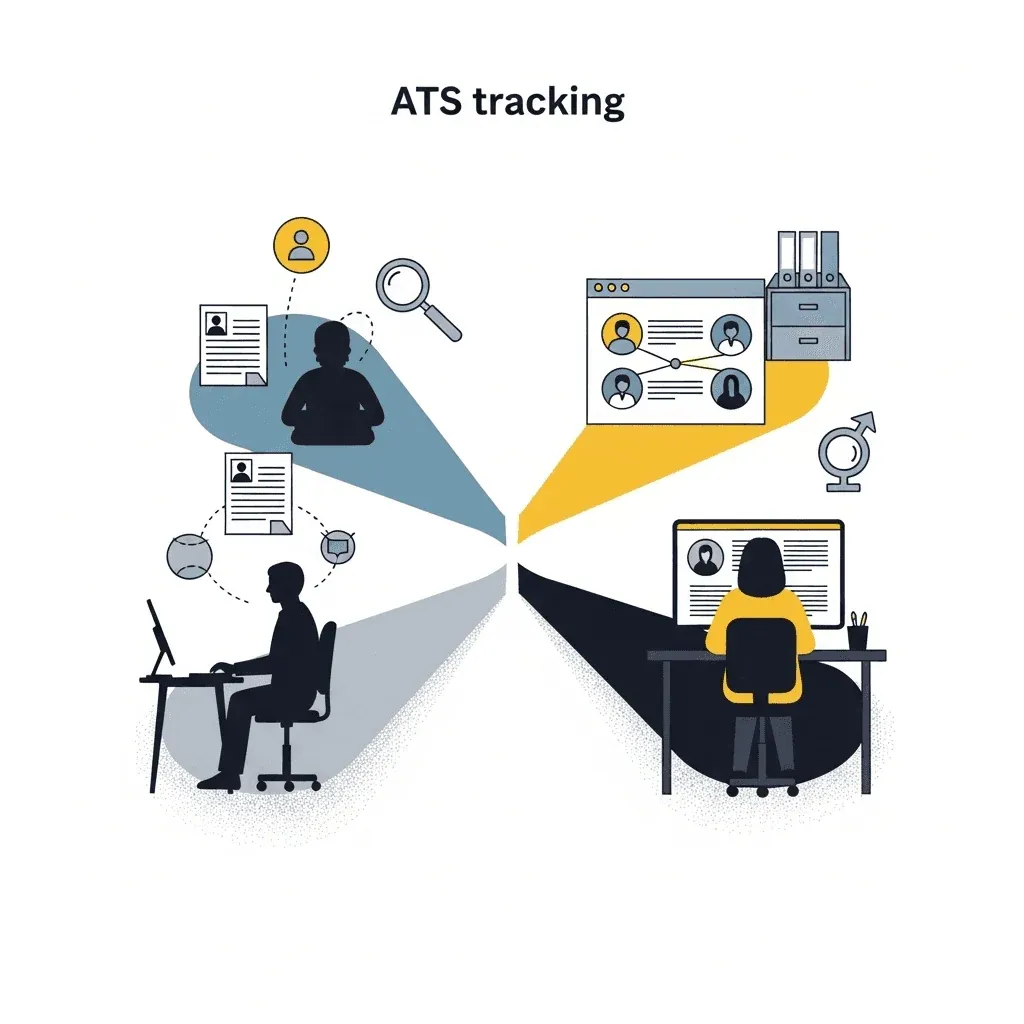
This guide focuses on ATS in recruitment: what these systems do, how they screen your resume, and how to optimize your application.
How Applicant Tracking Systems Work
When you submit a resume online, an ATS typically processes it first, running an automated evaluation before it reaches a recruiter.
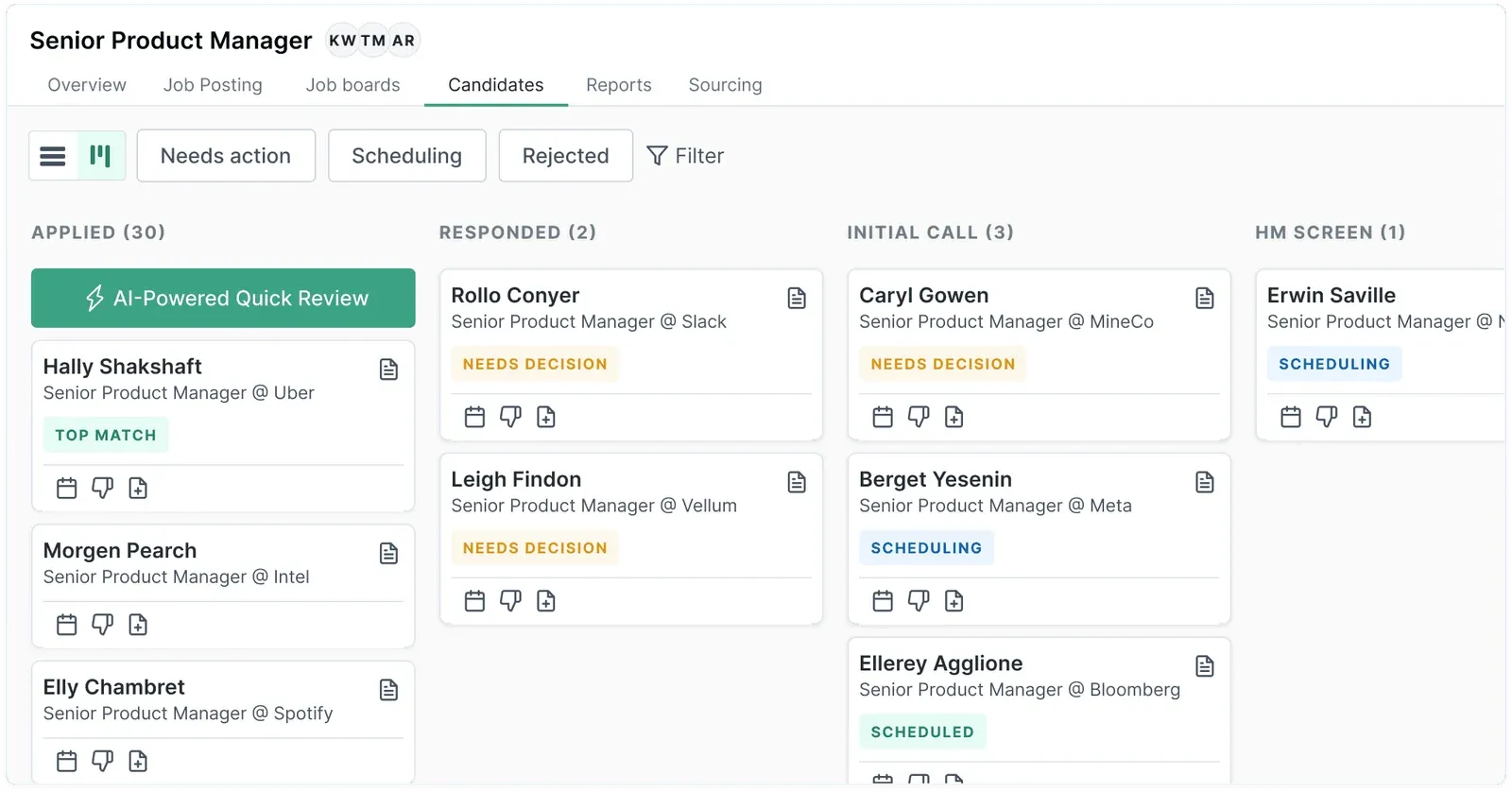
The system parses your resume by scanning the document and extracting structured data (name, contact information, work history, education, and skills). This converts your formatted resume into searchable database fields.
The ATS then matches keywords in your resume against job description requirements, looking for specific skills, job titles, certifications, and industry terms the employer specified.
Based on this analysis, the system assesses alignment and ranks you against other applicants based on role requirements. This ranking determines which candidates appear at the top of the recruiter’s queue. 97.8% of Fortune 500 companies use these systems to filter applicants before human review, so formatting your resume correctly and including relevant keywords directly impacts whether you get an interview.
The Truth about ATS Resume Rejection Rates
You’ve probably heard that 75% of resumes never reach human eyes because ATS systems automatically reject them. This statistic gets repeated everywhere, but it’s misleading.
The reality? 92% of recruiters report that their systems do not auto-reject resumes based on formatting, content, or design. ATS software doesn’t reject candidates outright. It ranks and organizes them.
Human recruiters still make the final decisions. The system simply helps them manage volume by surfacing top matches first. If your resume doesn’t get reviewed, it’s usually because hundreds of other applicants ranked higher or the recruiter stopped reviewing after finding enough qualified candidates.
Core Features of Applicant Tracking Systems
Every ATS handles the fundamentals differently, but certain capabilities define the category.
Resume Parsing & Candidate Database
The system extracts data from resumes and stores it in searchable fields. You can search your entire candidate pool by skills, location, experience level, or previous employers without reopening documents.
Multi-Board Job Distribution
Post once and syndicate to dozens of job boards simultaneously. Dover pushes openings to 50+ sites with one click, collecting all applicants in a unified inbox.
Collaborative Hiring Workflows
Team members leave structured feedback on candidates, view interview scorecards, and move applicants through hiring stages together. Everyone sees the same information in real time.
Creating ATS-Friendly Resumes
Structure your resume with standard section headers the parsing software recognizes: “Work Experience,” “Education,” and “Skills.” Creative header names prevent the system from categorizing your information correctly.
Use a single-column layout with chronological work history. Multi-column designs break parsing algorithms that read left to right and top to bottom, scrambling your content in the database.
Avoid graphics, logos, photos, and tables. Parsers either skip or misread these elements. Headers and footers also cause problems, so place your contact information in the main body of the document.
Choose standard fonts: Arial, Calibri, or Georgia. Save as .docx when possible, which parses more reliably than PDF across different systems.
For keywords, mirror the job description’s exact language. When a posting says “project management,” use that phrase instead of “managed projects.” Include both acronyms and full terms for credentials (MBA and Master of Business Administration).
The goal is clarity, not gaming the system. Write for the recruiter who reads your resume after it passes the ATS filters.
ATS Resume Scoring and Match Rates
ATS scoring algorithms assess resumes across weighted categories. Required qualifications (licenses, certifications, degrees) typically carry the most weight, followed by skills alignment that measures how many listed requirements from the job description appear in your resume.
Experience match considers years in role, industry familiarity, and relevant job titles. Education requirements verify degree level and field of study. Many systems generate a relative match or ranking that reflects how closely your resume aligns with the role.
Aiming for 75% or higher improves your chances of landing in the recruiter’s review queue, as many hiring managers sort by score and work down from the top. You don’t need 100% alignment, but crossing that 75% threshold moves you from the middle of the pile to serious consideration territory.
AI Integration in Applicant Tracking Systems
AI is reshaping what applicant tracking systems can do beyond basic parsing and keyword matching. The ATS market will grow from USD 2.47 billion in 2025 to USD 3.84 billion by 2030.

Intelligent screening assesses semantic meaning, understanding that “led cross-functional teams” relates to leadership even without that exact word appearing. Dover’s AI-powered scoring surfaces candidates based on actual qualification fit instead of simple text matching.
ATS Tracking for Job Seekers (Testing Your Resume)
Free ATS resume checkers let you test your application before submitting. Tools like Jobscan and Resume Worded scan your resume against a specific job description and show compatibility scores, missing keywords, and formatting problems.
Upload your resume and paste the target job posting. The checker identifies gaps between your qualifications and the role’s requirements. Add missing skills you actually have, adjust keyword density, and rerun the scan until you hit 75%+ match.
Common parsing errors include:
-
Scrambled dates where month and year appear in the wrong order or get separated into different fields
-
Missing job titles that fail to parse because of unconventional formatting or special characters
-
Skills categorized incorrectly when the ATS misreads context (for example, listing “Java” under locations instead of programming languages)
Preview how the system reads your resume and fix sections that don’t parse cleanly. Track your results across applications by noting which resume version you sent to each company and monitoring response rates. If one format generates more interviews, use that template going forward.
Free vs. Paid Applicant Tracking Systems
Free ATS options like Dover include resume parsing, job board posting, candidate pipelines, team collaboration, and scheduling automation without budget constraints. Dover’s unlimited jobs and users support companies from first hire through hundreds of employees.
Paid enterprise systems add advanced reporting dashboards, custom workflow automation, deeper HRIS integrations, background check provider connections, and dedicated support teams. Organizations processing thousands of monthly applications or managing complex compliance needs benefit from these capabilities.
Some modern free systems now include AI-powered screening and multi-board distribution that cost thousands annually only a few years ago. The choice depends on hiring volume and regulatory requirements instead of access to core functionality.
Benefits of Using an ATS for Employers
Recruiting without an ATS means spreadsheets, lost emails, and duplicated effort. The right system creates structured workflows that save time and improve outcomes.
Faster Hiring Cycles
Automation handles resume screening, interview scheduling, and status updates that otherwise consume hours daily. Companies using ATS report shorter time-to-hire by eliminating manual administrative work that delays decisions.
Better Quality Hires
Structured screening surfaces qualified candidates who might get overlooked in manual review. Ranked applicants and standardized scorecards help you compare candidates objectively instead of defaulting to whoever applied most recently.
Team Collaboration in One Place
Hiring managers, interviewers, and executives access the same candidate information and feedback in real time. No more forwarding resumes or asking “did anyone talk to this person yet?”
How Dover Fits into Modern ATS Hiring
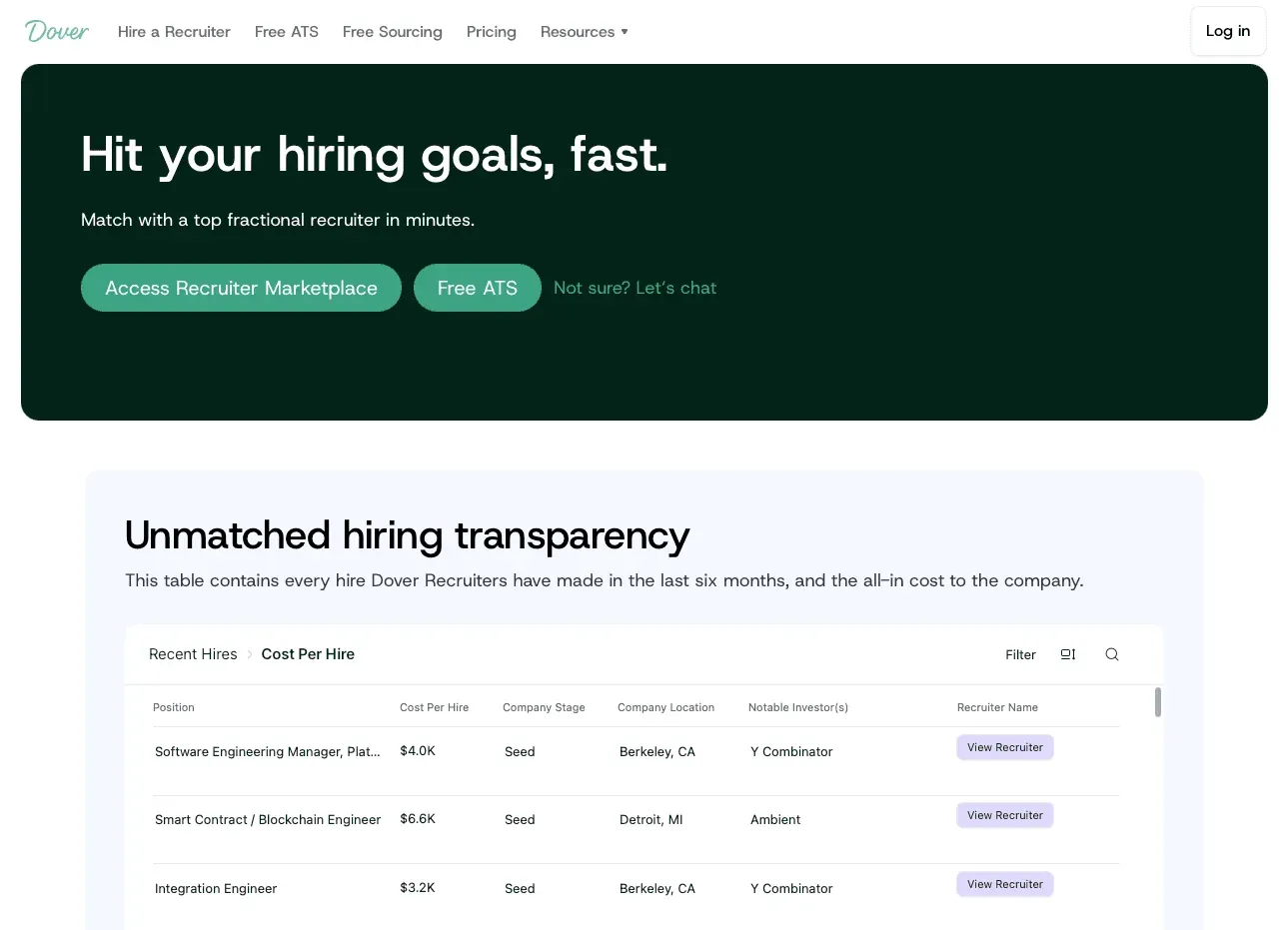
Understanding how ATS software scores and ranks candidates is only half the equation. Hiring teams also need tools that make acting on those rankings fast and practical. That’s where Dover comes in.
Dover offers a free applicant tracking system built for founders and small teams who need to hire quickly without learning complex recruiting software. The ATS handles resume parsing, keyword-based matching, AI-driven applicant scoring, interview scheduling, and job distribution to 50+ boards, all with unlimited jobs and users. Setup takes minutes, and the system is simple enough to run like a spreadsheet while still covering everything needed for the first 100 hires.
When software alone isn’t enough, Dover connects companies to its recruiting marketplace of vetted, fractional recruiters. These recruiters bring 10–15 years of startup experience and work as an extension of your team, helping with sourcing, screening, interviews, and closing. Companies pay hourly, start with a refundable deposit, and avoid long-term contracts or traditional agency fees.
Together, Dover’s ATS and recruiter marketplace give startups a practical way to move from ATS rankings to real hires, without hiring a full-time recruiter or paying $30,000 placement fees.
Frequently Asked Questions
How do I check if my resume will pass an ATS scan?
Use free ATS resume checkers like Jobscan or Resume Worded to test your resume against the specific job description before applying. These tools show your compatibility score, identify missing keywords, and flag formatting issues that might prevent proper parsing.
What’s the difference between free and paid applicant tracking systems?
Free ATS options like Dover include resume parsing, job board posting, candidate pipelines, team collaboration, and scheduling automation with unlimited jobs and users. Paid enterprise systems add advanced reporting dashboards, custom workflow automation, deeper HRIS integrations, and dedicated support teams for organizations processing thousands of monthly applications.
What file format works best for ATS resume submissions?
Save your resume as .docx when possible, as it parses more reliably than PDF across different systems. Use standard fonts like Arial, Calibri, or Georgia, avoid graphics and tables, and stick to a single-column layout with clear section headers like “Work Experience” and “Education.”
Final thoughts on ATS technology
ATS tracking systems aren’t a barrier; they’re the operating system behind modern hiring. When job seekers understand how resumes are parsed, scored, and ranked, they stop guessing and start getting interviews. And when companies adopt smarter ATS technology, they hire faster, reduce bias, and scale without chaos. Platforms like Dover reflect where recruiting is headed: AI-driven screening, simplified workflows, and tools that work equally well for candidates and hiring teams. The edge no longer comes from applying more; it comes from knowing how the system works and using it to your advantage.